Do you experience heavy periods every month and often feel tired, weak or lacking energy afterwards?
For many women, menstruation is a normal part of life. However, when menstrual bleeding is heavier than usual, the body may lose more blood and iron over time. iron drip
Iron is an essential mineral that supports the production of haemoglobin, a protein in red blood cells responsible for carrying oxygen throughout the body. When iron levels become too low, it may affect energy levels, concentration and overall wellbeing.
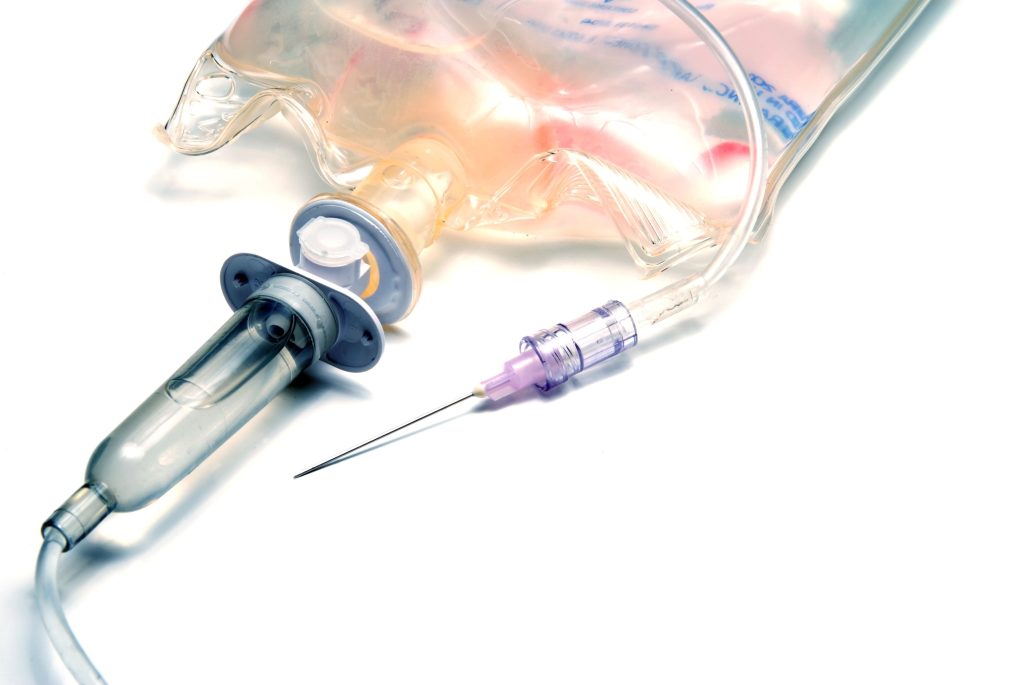
Women who experience heavy menstrual bleeding may have a higher risk of developing iron deficiency. In some cases, iron drip (intravenous iron infusion) may be considered as a treatment option after proper medical assessment.
Understanding your iron status and the reason behind low iron levels is an important step in choosing the most suitable approach for your health.
What Is the Connection Between Heavy Periods and Low Iron Levels? iron drip
During menstruation, the body naturally loses blood. Usually, the body can replace the lost iron through a balanced diet and normal iron absorption.
However, women who experience heavy menstrual bleeding may lose a greater amount of blood each month. Over time, this repeated blood loss can reduce the body’s iron stores.
When iron levels become low, the body may have difficulty producing enough haemoglobin. This can affect oxygen delivery throughout the body and may contribute to symptoms such as:
- Persistent tiredness.
- Low energy levels.
- Weakness.
- Difficulty concentrating.
- Reduced ability to perform daily activities.
Heavy periods may occur due to various reasons, including hormonal changes, uterine conditions or other health factors. Therefore, identifying the underlying cause is important before deciding on treatment.
Why Do Some Women With Heavy Periods Need Extra Iron Support? iron drip
Women with heavy menstrual bleeding may require additional iron support because their bodies lose iron more frequently.
Some factors that may increase the risk of iron deficiency include:
1. Heavy Menstrual Flow iron drip
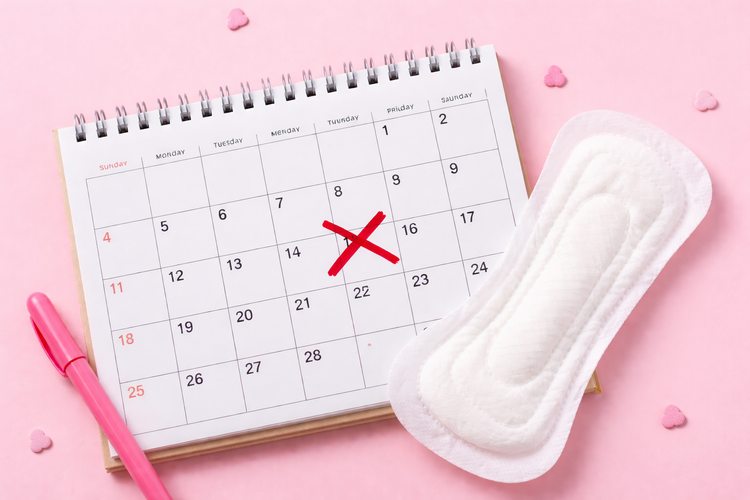
Women who experience very heavy bleeding during their periods may lose more iron compared to those with lighter menstrual flow.
2. Longer Menstrual Duration iron drip
Periods that last longer than usual may result in greater blood loss over time.
3. Increased Iron Requirements iron drip
Certain stages of life, including pregnancy, may increase the body’s need for iron.
4. Difficulty Maintaining Iron Levels Through Diet Alone
Some individuals may not be able to restore iron levels sufficiently through food alone, especially when iron loss continues regularly.
A healthcare professional can evaluate your iron status through blood tests and recommend the most appropriate approach based on your condition.
Signs That Heavy Periods May Be Affecting Your Iron Levels
Many women may overlook symptoms of iron deficiency because they become used to feeling tired during or after their menstrual cycle.
Signs that may indicate low iron levels include:
- Feeling exhausted even after sufficient rest.
- Low energy after menstruation.
- Feeling dizzy or light-headed.
- Difficulty focusing at work or during daily tasks.
- Pale skin appearance.
- Shortness of breath during activities.
- Frequent headaches.
- Increased hair shedding.
- Brittle nails.
- Feeling weak or easily fatigued.
- Reduced exercise performance.
- Decreased productivity.
If these symptoms continue or interfere with daily life, it may be helpful to seek medical advice. A blood test can provide a clearer understanding of whether iron deficiency is contributing to your symptoms.
IV Iron is the Cost-Effective Treatment for Women
Skyhill Clinic’s Approach to Personalised Women’s Health Assessment
At Skyhill Clinic, we understand that every woman’s health journey is different. Symptoms such as fatigue, low energy or changes in wellbeing should be evaluated by looking at the bigger picture.
Our approach focuses on identifying possible factors that may contribute to your symptoms through health assessments, medical history review and relevant blood tests.
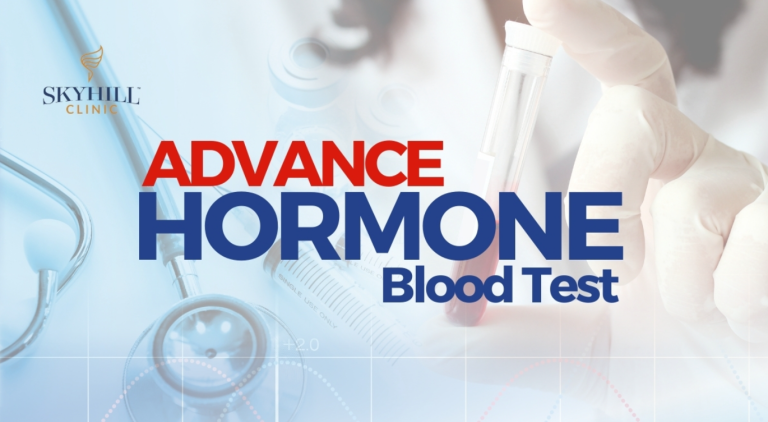
Through assessments such as the Advanced Hormone Blood Test (AHBT), doctors can evaluate hormone-related factors and other health markers that may influence overall wellbeing.
This approach follows the principles of functional medicine, which focuses on understanding potential root causes behind health concerns rather than only managing symptoms.
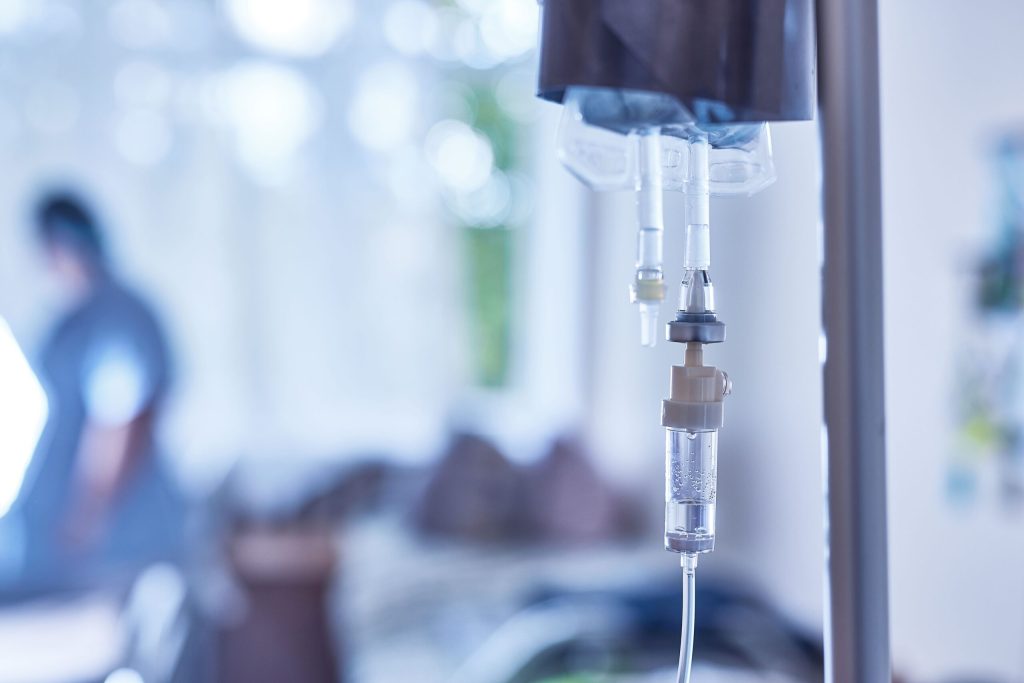
If iron deficiency is confirmed, doctors can discuss suitable treatment options based on your individual needs. For certain individuals, iron drip may be considered to help replenish iron levels under medical supervision.
If You Experience These Signs, It May Be Time To Check Your Iron Status
Consider consulting a healthcare professional if you experience:
- Heavy periods that affect your daily activities.
- Persistent fatigue after menstruation.
- Low energy despite adequate rest.
- Symptoms of possible iron deficiency.
- Difficulty maintaining your usual routine.
Early assessment can help identify whether your symptoms are related to iron deficiency or another underlying health concern.
Conclusion
Heavy periods can be more than just an inconvenience. When significant blood loss occurs regularly, it may increase the risk of iron deficiency and affect your daily energy levels.
Iron drip may be considered for women who are diagnosed with iron deficiency and require additional iron replacement. However, the suitability of this treatment depends on individual health conditions and should be determined through medical assessment.
Understanding the cause of heavy menstrual bleeding and checking your iron status are important steps towards better health management.
Consult Our Doctor for Personalised Advice
If you experience heavy periods, ongoing fatigue or concerns about your iron levels, speak with our doctor to understand your condition and explore suitable treatment options.
Read more: Iron Drip for Women: Supporting Better Iron Health