Feeling tired, weak or dizzy more often than usual? Low iron could be one possible reason. iron drip
Feeling exhausted after a busy day is normal. But when tiredness continues despite getting enough rest, or when you frequently experience weakness, dizziness or reduced stamina, it may be worth looking beyond your daily routine. iron drip
One possible factor is iron deficiency.
Iron is an essential mineral that helps the body produce haemoglobin, a protein in red blood cells responsible for carrying oxygen throughout the body. When the body does not have enough iron, haemoglobin production can be affected.
This may lead to symptoms such as fatigue, weakness, headaches or dizziness. In more significant cases, iron deficiency can contribute to iron deficiency anaemia.
For some individuals, oral iron supplements may be sufficient. However, when oral iron is not suitable, is not well tolerated, is not adequately absorbed or does not provide the desired response, a doctor may consider intravenous iron, commonly known as an Iron Drip.
But an Iron Drip is not simply an energy booster. It is a medical treatment used to replace iron when there is a clinical need.
What Is an Iron Drip?
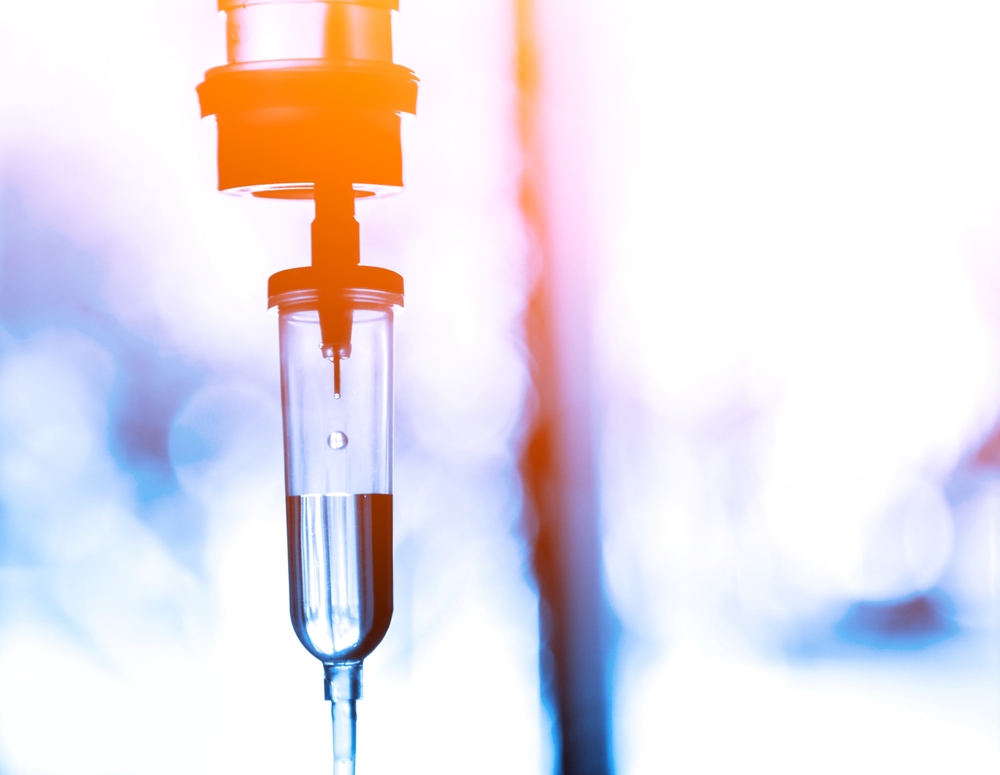
An Iron Drip is a form of intravenous iron treatment where iron is delivered directly into the bloodstream through an IV line.
Unlike oral iron tablets, which pass through the digestive system before the body absorbs the iron, intravenous iron bypasses the digestive tract.
This may make IV iron an option for certain individuals who have difficulty tolerating oral iron, have problems absorbing iron or require iron replacement based on their medical condition.
However, not everyone with tiredness or low energy needs an Iron Drip.
Before treatment is considered, a doctor may assess your symptoms, medical history and blood test results to determine whether you have iron deficiency and whether IV iron is appropriate.
Why Does Your Body Need Iron? iron drip
Iron plays an important role in the production of haemoglobin.
Haemoglobin allows red blood cells to carry oxygen from the lungs to different parts of the body. Oxygen is essential for cells and tissues to perform their normal functions.
When iron stores become too low, the body may struggle to produce enough haemoglobin. This can eventually contribute to iron deficiency anaemia.
This is why persistent tiredness should not automatically be treated as a lack of sleep or simply “being busy”. Sometimes, it may be a sign that an underlying health issue needs to be investigated.
Why Do Iron Levels Become Low?
Low iron levels can happen for several reasons. It is not always simply because someone does not eat enough iron-rich food.
Understanding the possible cause is important because treatment should address more than just the low iron level.
1. Not Getting Enough Iron iron drip

A diet that does not provide enough iron may contribute to low iron stores, particularly when this continues over time.
Iron can be obtained from foods such as meat, seafood, legumes and certain vegetables.
However, dietary intake is only one possible factor.
2. Blood Loss iron drip
Repeated or significant blood loss can reduce the body’s iron stores.
For some women, heavy or prolonged menstrual bleeding can contribute to iron deficiency.
Blood loss from the digestive tract can also occur in certain medical conditions and may not always be obvious.
3. Increased Iron Requirements iron drip
The body’s need for iron may increase during certain stages of life or under particular circumstances.
For example, pregnancy increases the body’s demand for iron as the body undergoes significant physiological changes and supports the growth and development of the baby.
If increased requirements are not met, iron stores may become depleted.
4. Problems With Iron Absorption iron drip
The body needs to absorb iron through the digestive system.
Certain digestive conditions or other health issues may affect the body’s ability to absorb nutrients effectively.
If iron levels remain low despite adequate intake or supplementation, further assessment may be needed to understand why.
Low Iron Does Not Always Mean You Need an Iron Drip
Having low iron does not automatically mean that IV iron is the best treatment.
Depending on the individual, oral iron supplementation, dietary changes or treatment of the underlying cause may be considered.
An Iron Drip may be recommended in certain circumstances when the doctor believes intravenous iron is appropriate.
The goal is not simply to increase energy levels, but to correct an identified iron deficiency and address the reason behind it where possible.
Signs of Possible Iron Deficiency to Watch For iron drip
Iron deficiency can develop gradually, and some people may not notice obvious symptoms at first.
As iron levels become lower, symptoms may become more noticeable.
Possible signs include:
- Persistent tiredness despite getting enough rest
- Feeling weak or lacking energy
- Frequent dizziness or light-headedness
- Reduced stamina during physical activity
- Shortness of breath during activity
- Difficulty concentrating
- Recurring headaches
- Paler-than-usual skin
- Feeling unusually cold, especially in the hands and feet
- Heart palpitations in some individuals
- Brittle nails
- Increased hair shedding in some cases
These symptoms are not specific to iron deficiency.
For example, tiredness and dizziness can also be linked to poor sleep, stress, dehydration, nutritional deficiencies, hormonal changes or other medical conditions.
That is why symptoms alone cannot confirm an iron deficiency.
When Should You Consider Getting Checked?
Consider speaking with a healthcare professional if tiredness, weakness or dizziness persists, especially when these symptoms begin to interfere with your daily activities.
An appropriate blood test can help assess whether your iron status is within a healthy range and whether further investigation is needed.
If low iron is confirmed, the next step is to understand why your iron levels are low.
Finding the underlying cause can help guide the most appropriate treatment approach.
Skyhill Clinic’s Approach to Your Health
At Skyhill Clinic, health is viewed beyond a single symptom.
Tiredness, weakness and dizziness can have many possible causes. Instead of assuming that every symptom is related to iron deficiency, a more comprehensive assessment can help identify factors that may be affecting your overall wellbeing.
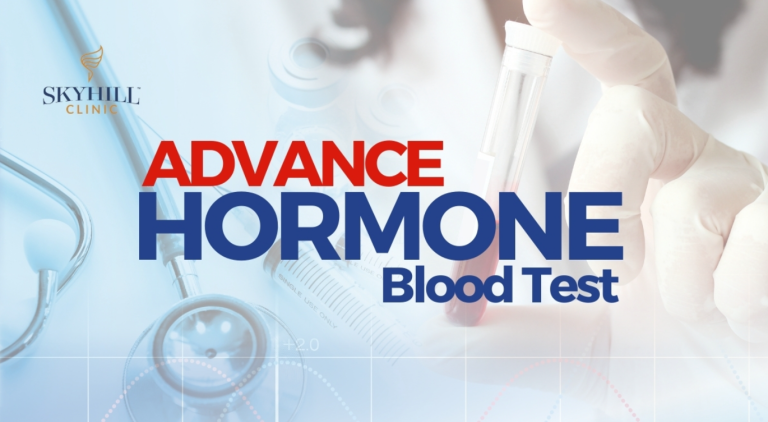
Where appropriate, Skyhill Clinic also offers Advanced Hormone Blood Test (AHBT) to assess hormone status based on an individual’s symptoms and health needs.
This approach is aligned with Skyhill Clinic’s focus on preventive healthcare and healthy aging, with an emphasis on understanding internal factors that may influence long-term health.
It is important to note that AHBT is not a specific test for iron deficiency. If iron deficiency is suspected, your doctor can recommend the appropriate blood tests to assess your iron status.
If These Signs Sound Familiar, It May Be Time to Check Your Iron Status iron drip
Feeling tired from time to time is normal. But persistent fatigue, weakness or dizziness should not always be dismissed as simply being busy or not getting enough sleep.
Iron deficiency is one possible explanation, but it is not the only one.
Rather than guessing based on symptoms, getting the appropriate health assessment can help provide a clearer picture of what may be happening in your body.
An Iron Drip may be considered when iron replacement is medically appropriate, but the first step is understanding whether you actually have an iron deficiency and what may be causing it.
Don’t Just Treat the Tiredness — Understand the Cause iron drip
Your body can sometimes give subtle signs when something is not quite right.
If you are constantly tired, frequently dizzy or feeling weaker than usual, consider getting your health checked rather than simply pushing through the symptoms.
Knowing your iron status can be an important first step towards understanding whether low iron may be contributing to how you feel.
Think your iron levels may be low? Check your iron status and speak with our medical team to find out whether an Iron Drip may be suitable for you.