When Simple Activities Start Feeling More Difficult
Do you find yourself getting out of breath after climbing a few stairs, walking a short distance, or doing simple daily activities?
Shortness of breath can sometimes be associated with iron deficiency anaemia, particularly when low iron has affected haemoglobin levels. Since haemoglobin is responsible for carrying oxygen around the body, reduced haemoglobin can make it harder for your body to meet its oxygen demands.
However, breathlessness is not always caused by low iron. Heart, lung and other medical conditions can also cause similar symptoms. That is why persistent or unexplained shortness of breath should not be ignored.
For patients with confirmed iron deficiency who are suitable candidates, an Iron Drip can provide iron directly into the bloodstream to help replenish the body’s iron stores.
Why Can Low Iron Make You Feel Breathless?
Iron is essential for producing haemoglobin, a protein found in red blood cells that carries oxygen from the lungs to the rest of the body.
When iron deficiency becomes significant enough to affect haemoglobin production, the body’s oxygen-carrying capacity can decrease.
As a result, the heart and lungs may need to work harder to deliver enough oxygen to the body’s tissues. Some people may then experience symptoms such as:
- Shortness of breath during physical activity
- Faster heartbeat or palpitations
- Dizziness or light-headedness
- Headaches
- Weakness
- Pale skin
- Reduced exercise tolerance
The severity of symptoms varies depending on the degree of anaemia and the individual’s overall health.
Is Shortness of Breath Always Caused by Iron Deficiency?
No.
Getting out of breath easily can have many possible causes. These may include poor fitness, respiratory conditions, heart problems, infections, anxiety and other medical conditions.
This is why it is important not to assume that breathlessness automatically means you need an Iron Drip.
If shortness of breath is new, persistent, worsening or occurs even when you are resting, medical evaluation is important to identify the underlying cause.
What Does an Iron Drip Do? out of breath
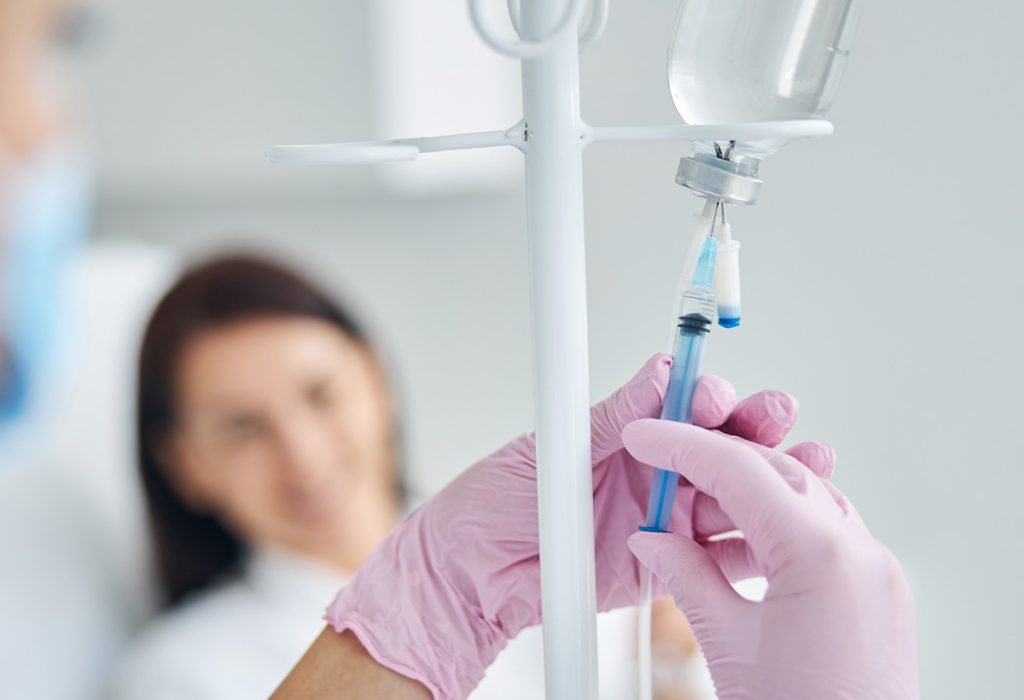
An Iron Drip is an intravenous (IV) iron treatment. Instead of taking iron orally, the iron preparation is administered directly through a vein.
This allows the iron to bypass the digestive system and enter the bloodstream directly.
Once the iron is available, the body can use it for processes including the production of haemoglobin and red blood cells.
Iron Drip may be considered for individuals who:
- Have confirmed iron deficiency
- Cannot tolerate oral iron
- Do not respond adequately to oral iron
- Have difficulty absorbing oral iron
- Require iron replacement in certain medical circumstances
- Have been assessed by a doctor as suitable for IV iron
The type and amount of iron administered depend on the patient’s individual needs.
Can Iron Drip Help You Breathe Better? out of breath
If iron deficiency or iron deficiency anaemia is contributing to your breathlessness, treating the underlying deficiency may help improve symptoms as the body’s haemoglobin and iron status recover.
However, Iron Drip does not immediately increase oxygen levels or instantly relieve breathlessness.
The body needs time to use the replenished iron to support haemoglobin production. How quickly symptoms improve varies from one person to another.
The key is to treat the underlying iron deficiency appropriately rather than using IV iron simply as a quick energy or oxygen booster.
Why Choose IV Iron Instead of Iron Tablets?
Oral iron is an effective treatment for many people with iron deficiency. However, some patients experience gastrointestinal side effects such as:
- Constipation
- Nausea
- Stomach discomfort
- Bloating
- Changes in bowel habits
Others may not absorb enough iron from oral treatment or may not achieve an adequate response.
Because Iron Drip bypasses the digestive system, it can be an alternative for selected patients who cannot tolerate or adequately respond to oral iron.
That does not mean IV iron is automatically better for everyone. The most appropriate treatment depends on the individual’s condition and medical assessment.
Who May Be at Risk of Iron Deficiency?
Iron deficiency can develop for a variety of reasons.
Some common contributing factors include:
Heavy Menstrual Bleeding
Regular blood loss through heavy or prolonged periods can gradually reduce the body’s iron stores.
Blood Loss
Blood loss from surgery, injury or certain medical conditions can contribute to iron deficiency.
Insufficient Iron Intake
A diet that does not provide enough iron over time may contribute to depleted iron stores.
Increased Iron Requirements
Certain stages of life may increase the body’s need for iron.
Absorption Problems
Some gastrointestinal conditions can interfere with the body’s ability to absorb iron effectively.
Identifying the reason behind the deficiency is important so that the underlying cause can also be addressed.
The Skyhill Clinic Approach: Targeted Iron Replacement

At Skyhill Clinic, the focus of Iron Drip treatment is on providing appropriate iron replacement for patients who may benefit from IV iron.
Before treatment, the doctor can assess your symptoms, medical history and relevant blood test results to determine whether iron deficiency may be contributing to your symptoms and whether IV iron is suitable.
If Iron Drip is recommended, the iron preparation is administered intravenously under medical supervision.
The dosage and duration of the session depend on the specific iron preparation and the individual’s treatment requirements.
Patients are monitored during the infusion for any possible reactions.
What Happens After an Iron Drip?
An Iron Drip provides the body with a source of iron, but the treatment is not an instant “blood recharge.”
Your body still needs time to use the iron to produce haemoglobin and red blood cells.
Your doctor may recommend follow-up blood tests depending on your condition. These tests can help determine whether your iron levels and haemoglobin are responding appropriately.
If breathlessness continues despite correcting an iron deficiency, further evaluation may be necessary because another underlying condition could be responsible.
Don’t Ignore Breathlessness During Everyday Activities
Getting out of breath occasionally after intense exercise may be normal. However, becoming unusually breathless during activities that previously felt easy deserves attention.
If you also experience dizziness, paleness, headaches, palpitations or reduced exercise tolerance, iron deficiency may be one possible explanation.
Rather than assuming the cause, consider getting medically assessed.
Conclusion
Iron plays an essential role in haemoglobin production and oxygen transport. When iron deficiency leads to low haemoglobin, some individuals may experience breathlessness, weakness and reduced physical performance.
For suitable patients, an Iron Drip can help replenish iron stores by delivering iron directly into the bloodstream, particularly when oral iron is not tolerated, not absorbed adequately or has not produced the desired response.
However, breathlessness can have many causes, so proper medical assessment is important before starting treatment.
If low iron is contributing to your symptoms, addressing the deficiency may help your body restore its normal oxygen-carrying capacity over time.
Book your Iron Drip session today and speak with our team to find out whether IV iron is right for you.
Read more: Iron Drip: More Than Just an Energy Boost