Feeling tired, weak, or unable to focus? Low iron levels may be affecting your energy and daily performance.
Do you often feel exhausted even after a full night’s sleep? Do simple daily tasks feel more challenging than usual? Persistent fatigue, weakness, and difficulty concentrating may not simply be caused by a busy lifestyle. In some cases, these symptoms may be linked to low iron levels. iron drip
Iron is an essential mineral that helps the body produce haemoglobin, a protein in red blood cells responsible for carrying oxygen throughout the body. When iron levels are insufficient, the body may struggle to deliver enough oxygen to tissues and organs, affecting energy levels and overall function.
For individuals with significant iron deficiency, iron drip (iron infusion) may be considered as one of the treatment options. However, identifying the underlying cause through proper health assessment and blood testing is an important first step.
What Happens When Your Iron Levels Are Low?
Iron plays an important role in maintaining energy, focus, and physical performance. When the body does not have enough iron, it may not produce enough healthy haemoglobin, reducing the ability of red blood cells to transport oxygen effectively.
As oxygen delivery decreases, the body may respond with symptoms that affect everyday life.
Low iron levels may contribute to:
- Reduced energy throughout the day. moreover
- Feeling tired even after adequate rest.
- Difficulty concentrating on work or daily activities.
- Reduced physical endurance.
- Feeling weak or easily exhausted.
Many people overlook these signs and assume they are caused by stress, lack of sleep, or a busy schedule. However, ongoing symptoms may require further evaluation to understand what is happening inside the body.
How Can Iron Drip Support Iron Replacement?
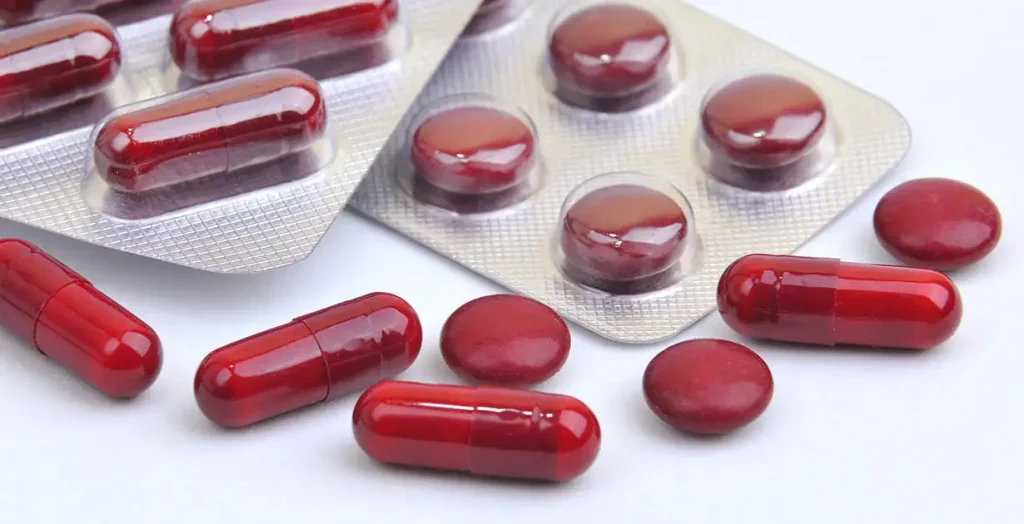
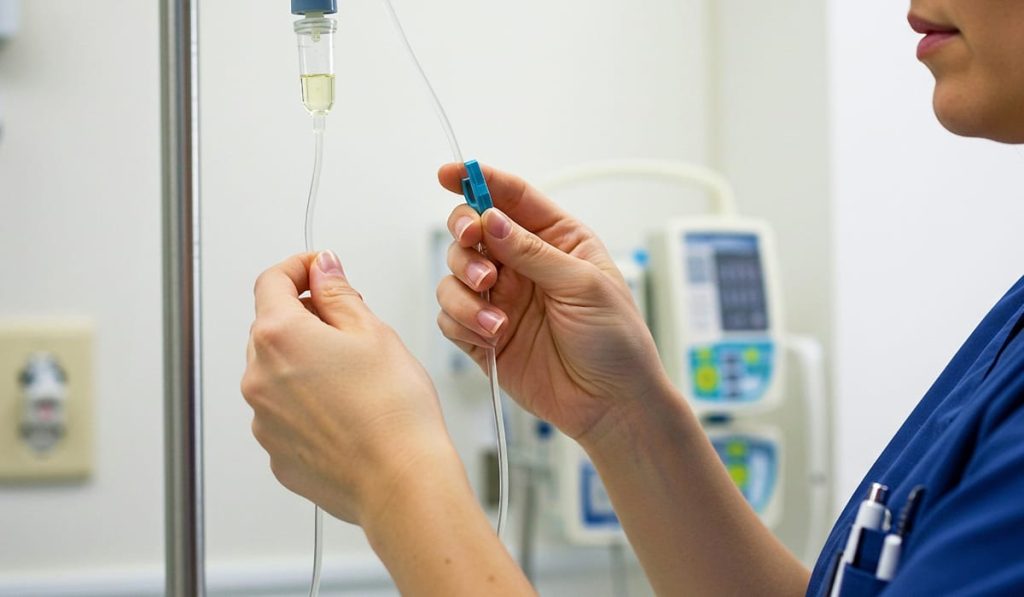
Iron drip is a treatment that delivers iron directly into the bloodstream through intravenous (IV) infusion.
Unlike oral iron supplements that need to be absorbed through the digestive system, iron infusion allows iron to enter the body directly. This may be considered for individuals who have specific needs based on their health condition.
Iron drip may be recommended for individuals who:
- Have confirmed iron deficiency through blood tests.
- Do not respond well to oral iron supplements.
- Experience difficulty absorbing iron through the digestive system.
- Require iron replacement based on medical evaluation.
By restoring iron levels, the body may be better supported in producing haemoglobin and improving oxygen delivery.
However, iron drip is not a solution for every case of fatigue. A doctor’s evaluation is needed to determine whether low iron is the actual cause of symptoms and whether this treatment is appropriate.
Signs Low Iron Levels May Be Affecting Your Body
Low iron levels can develop gradually, making the symptoms easy to overlook. Paying attention to changes in your body can help identify when further assessment may be needed. however
Common signs include: however
- Constant tiredness or lack of energy.
- Feeling physically weak.
- Difficulty focusing or maintaining concentration.
- Dizziness or feeling light-headed.
- Pale skin appearance.
- Shortness of breath during normal activities.
- Increased heart rate or heart palpitations.
- Cold hands and feet.
- Hair thinning or increased hair shedding.
- Brittle nails.
- Reduced stamina during exercise.
If these symptoms continue and begin affecting your work, lifestyle, or daily routine, checking your iron levels can provide valuable insight into your health.
Intravenous iron therapy: how far have we come?
Skyhill Clinic’s Approach To Understanding The Cause Of Low Energy iron drip
At Skyhill Clinic, we believe that fatigue should not only be managed by addressing symptoms. Understanding the underlying cause helps create a more personalised approach to improving health.
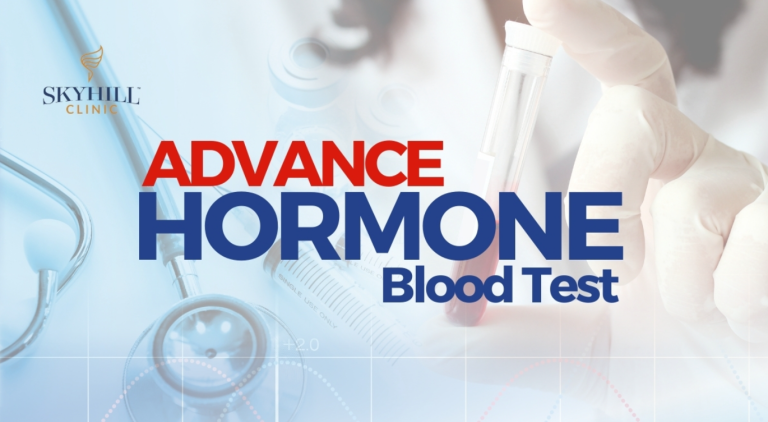
Through Advanced Hormone Blood Test (AHBT) and comprehensive health assessments, doctors can evaluate different factors that may contribute to low energy, including iron status, hormone balance, nutritional levels, and other important health markers.
This approach allows a clearer understanding of the body’s condition and helps determine the most suitable recommendations for each individual.
Moreover, if low iron levels are identified, the doctor will assess whether iron drip or other treatment options are appropriate based on your health needs.
Don’t Let Low Iron Levels Slow You Down
Feeling constantly tired, weak, or unable to focus may be your body’s way of signalling that something needs attention.
A proper health assessment can help identify whether low iron levels are affecting your energy and daily performance.
Book a health assessment to check your iron levels.
Read more: Iron Drip vs Iron Tablets: Which Is Better?