
Both can help treat iron deficiency, but the right option depends on your iron levels, absorption, symptoms and overall health.
Feeling constantly tired, weak or easily dizzy? Low iron levels may be one possible reason. iron drip
When iron deficiency is diagnosed, two common treatment options are iron tablets and iron drips. Both aim to restore iron levels, but they work differently.
Iron tablets are taken orally and need to pass through the digestive system before the body can absorb the iron. An iron drip, also known as intravenous (IV) iron, delivers iron directly into the bloodstream.
So, which one is better?
The answer is not the same for everyone. Iron tablets may be suitable for some people, while an iron drip may be considered when oral iron is not effective, cannot be tolerated or is not absorbed properly.
What Is the Difference Between Iron Drip and Iron Tablets?
Iron tablets are oral iron supplements taken by mouth. Once swallowed, the iron travels through the digestive system before it is absorbed into the body.
They are commonly used to treat iron deficiency and iron deficiency anaemia. For individuals who can absorb iron properly and tolerate oral supplements, tablets may be enough to restore iron levels over time.
Iron drips, on the other hand, deliver iron directly into the bloodstream through an intravenous infusion. Because the iron does not need to pass through the digestive system, this option may be considered for people who have difficulty absorbing oral iron or cannot tolerate iron tablets.
The main difference is therefore not simply about which treatment is “stronger”. It is about how the iron is delivered and whether the treatment is appropriate for your individual needs.
A doctor may consider your symptoms, blood test results, medical history and response to previous treatment before recommending one option over another.
Which Is More Effective: Iron Drip or Iron Tablets?
There is no single answer because effectiveness depends on the reason behind the iron deficiency and how your body responds to treatment.
For many people, iron tablets can effectively improve iron levels when taken consistently and absorbed properly. However, some people experience side effects such as nausea, constipation, stomach discomfort or other digestive symptoms, which can make it difficult to continue treatment.
Absorption can also be an issue. Certain health conditions can interfere with the body’s ability to absorb iron from the digestive system. In these situations, an iron drip may be considered because it delivers iron directly into the bloodstream.
IV iron may also be considered when oral iron does not provide an adequate response or cannot be tolerated. However, this does not mean that an iron drip is automatically better than tablets.
Before deciding on treatment, your doctor may assess blood tests such as haemoglobin and ferritin to understand your iron status and determine the most appropriate approach.
When Might Iron Tablets Be Suitable?
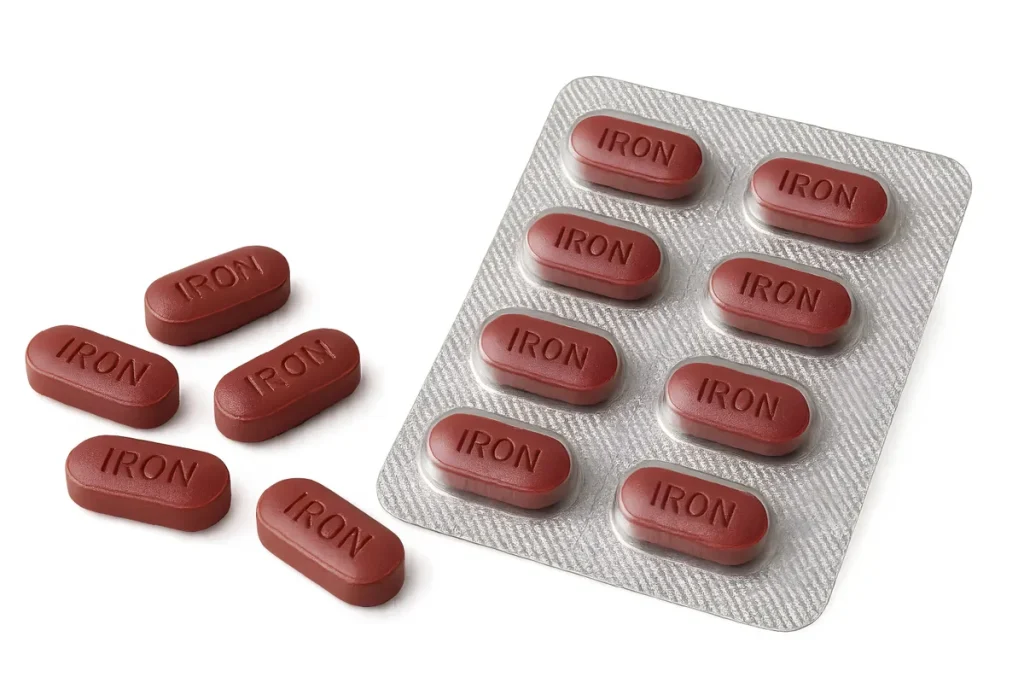
Iron tablets may be suitable for people with iron deficiency who can absorb and tolerate oral iron.
They may be considered when:
- Iron deficiency can be managed with oral treatment
- You can take the tablets consistently
- There are no known absorption problems
- Side effects are manageable
- Iron levels show an appropriate response to treatment
One of the advantages of iron tablets is that they can usually be taken at home without the need for an infusion.
However, consistency is important. Iron levels may take time to improve, and some people may need to continue treatment for a period recommended by their doctor.
If you have been taking iron tablets but continue to experience symptoms or your blood results do not improve as expected, it may be worth discussing your treatment plan with your doctor.
When Might an Iron Drip Be Considered?
An iron drip is not necessary for everyone with low iron levels. It may be considered when oral iron is not suitable or does not provide the expected response.
Some situations where a doctor may consider an iron drip include:
- Iron tablets have not worked sufficiently
- You cannot tolerate the side effects of oral iron
- Your body has difficulty absorbing oral iron
- A more direct method of iron replacement is considered appropriate
- You have a medical condition where oral iron may not be suitable
The decision should always be based on an individual medical assessment. Your doctor may consider your symptoms, medical history and blood test results before recommending IV iron.
What to Expect from an Iron Infusion
Skyhill Clinic Approach: Treatment Based on Your Individual Needs

At Skyhill Clinic, choosing between iron tablets and an iron drip should not be based on symptoms alone.
If you are experiencing persistent tiredness, dizziness, paleness, shortness of breath or low energy, a health assessment can help determine whether iron deficiency may be contributing to your symptoms.
Blood tests such as haemoglobin and ferritin can provide useful information about your blood and iron stores. Based on your results and overall health, your doctor can determine whether iron tablets, an iron drip or another approach may be more suitable.
The goal is not simply to increase iron levels, but to understand why your iron may be low and which treatment best fits your needs.
If These Signs Sound Familiar, It May Be Time To Check Your Iron Levels
Feeling tired all the time should not automatically be dismissed as a result of a busy lifestyle.
If you regularly experience fatigue, dizziness, weakness or reduced stamina, consider speaking to a doctor about whether an iron assessment may be appropriate.
Understanding your iron status can help you make a more informed decision about whether iron tablets or an iron drip is the right option for you.
Not Sure Which Option Suits You?
Iron tablets and iron drips can both play a role in treating iron deficiency, but the most suitable option depends on your individual health needs.
Speak to our medical team today and find out which iron treatment may be right for you.
Teruskan membaca: Advance Hormone Blood Test: Mengapa Ramai Aktif Bersenam Turut Memeriksa Hormon?