Heavy menstrual bleeding can increase the risk of iron deficiency and may require medical assessment to determine the most suitable treatment approach.
For many women, experiencing fatigue, low energy and weakness during their menstrual cycle may seem normal. However, when periods are unusually heavy, the body may lose more blood than it can replace, increasing the risk of iron deficiency. iron drip
Iron plays an important role in producing haemoglobin, which helps carry oxygen throughout the body. When iron stores become too low, women may experience symptoms that affect their daily activities, work performance and overall wellbeing.
In some cases, doctors may recommend iron drip as a treatment option for women with confirmed iron deficiency, especially when oral iron supplements are not suitable or do not provide sufficient improvement.
What Is Iron Drip and Why Is It Considered for Heavy Periods?
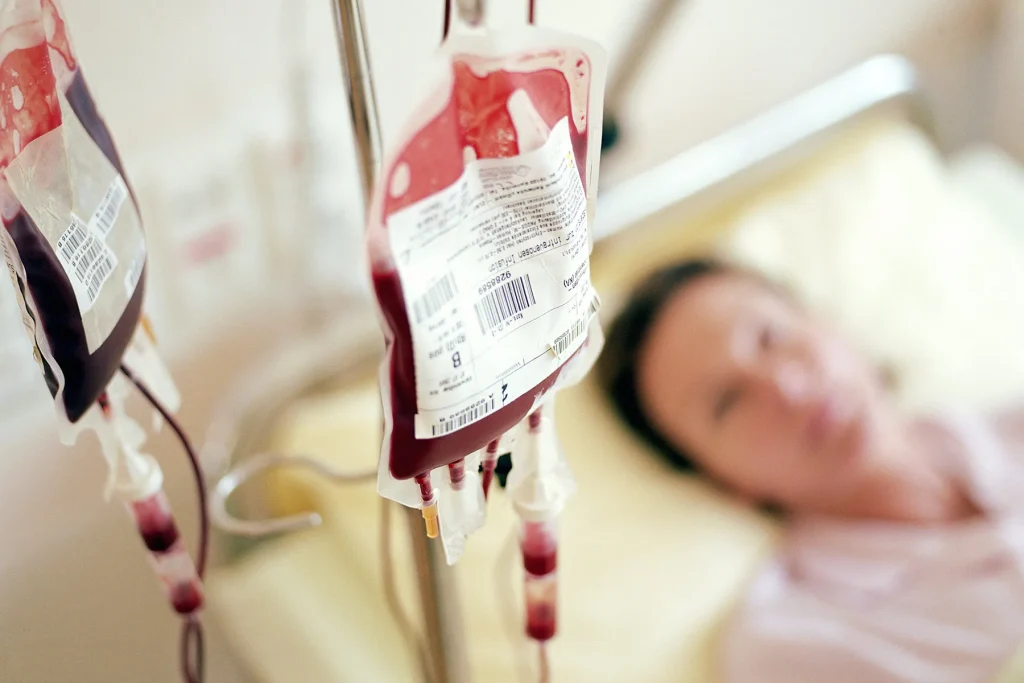
Iron drip, also known as intravenous (IV) iron therapy, is a treatment that delivers iron directly into the bloodstream through an infusion.
Women with heavy menstrual bleeding may lose significant amounts of blood each month. Over time, this repeated blood loss can reduce the body’s iron stores and potentially lead to iron deficiency anaemia.
Iron drip may be considered when:
- Blood tests confirm low iron levels.
- Iron deficiency symptoms affect daily life.
- Oral iron supplements are not tolerated.
- The body does not absorb enough iron from supplements.
- A faster replacement of iron is needed based on medical assessment.
However, iron drip is not automatically required for every woman with heavy periods. A doctor will evaluate the severity of iron deficiency and determine the most suitable treatment based on individual needs.
How Can Heavy Menstrual Bleeding Lead to Iron Deficiency?
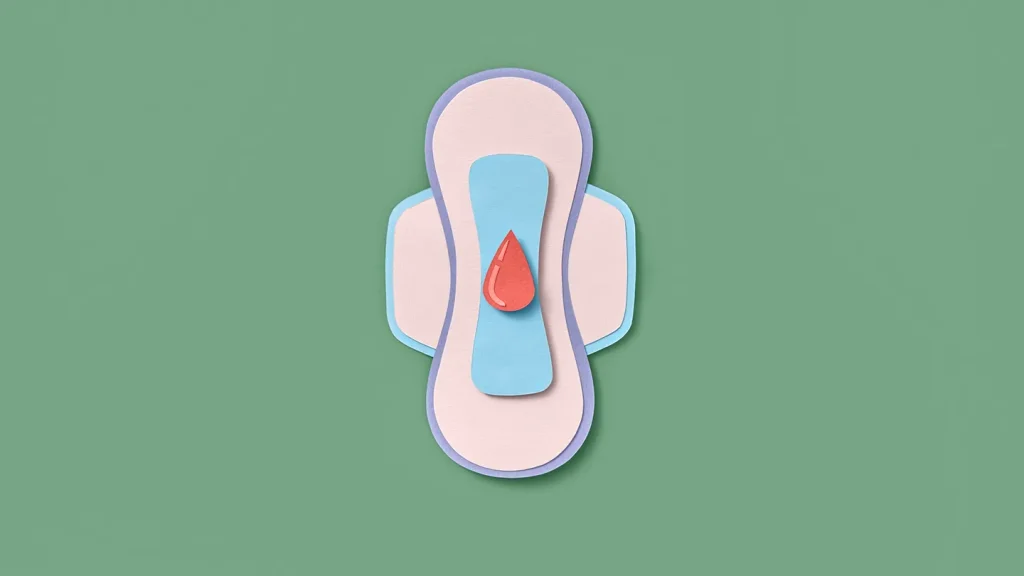
During menstruation, the body naturally loses blood. For some women, menstrual bleeding may become heavier or last longer than expected, causing greater iron loss.
When iron loss continues over time without being replaced, the body’s iron reserves may gradually decrease.
Factors that may contribute to heavy menstrual bleeding include:
1. Hormonal Changes
Hormonal imbalance can affect the menstrual cycle and may contribute to heavier or irregular bleeding.
2. Uterine Conditions
Certain conditions such as fibroids or other reproductive health concerns may cause heavier menstrual flow.
3. Nutritional Factors
A diet that is low in iron-rich foods may make it more difficult for the body to replace lost iron.
4. Individual Health Factors
Each woman’s menstrual pattern and health condition are different. Identifying the underlying cause of heavy bleeding is important to prevent repeated iron deficiency.
Signs of Iron Deficiency Women Should Pay Attention To
Iron deficiency may develop gradually, and many women may overlook the early symptoms.
Common signs include:
- Feeling tired even after enough rest.
- Low energy throughout the day.
- Dizziness or light-headedness.
- Difficulty concentrating.
- Shortness of breath during normal activities.
- Heart palpitations.
- Pale skin.
- Frequent headaches.
- Increased hair shedding.
- Feeling weak during or after menstruation.
- Reduced ability to complete daily activities.
Women with heavy periods who experience these symptoms may benefit from checking their iron levels through a medical assessment.
Intravenous iron therapy: how far have we come?
Skyhill Clinic’s Approach in Assessing Iron Deficiency in Women iron drip
At Skyhill Clinic, we believe that understanding the cause behind a symptom is an important part of effective healthcare.
Heavy menstrual bleeding and iron deficiency may involve multiple factors, including hormonal balance, nutritional status, lifestyle and overall health condition.
Our doctors take a comprehensive approach by assessing:
- Menstrual history.
- Symptoms experienced.
- Lifestyle and nutrition.
- Relevant blood test results.
- Individual health concerns.
Where appropriate, Advanced Hormone Blood Test (AHBT) may also be considered to provide a deeper understanding of hormonal balance and internal factors that may influence energy levels and overall wellbeing.
This approach aligns with Skyhill Clinic’s focus on identifying the root cause of health concerns and creating personalised treatment plans based on each individual’s needs.
If You Experience These Signs, It May Be Time To Check Your Iron Status
Consider speaking with a doctor if you experience:
- Heavy menstrual bleeding every month.
- Fatigue that affects your daily routine.
- Symptoms that continue despite taking iron supplements.
- Frequent dizziness or weakness.
- A history of low iron levels or anaemia.
- Difficulty maintaining your usual energy levels.
Early assessment can help determine whether iron deficiency is present and whether treatments such as iron drip may be suitable.
Conclusion
Heavy menstrual bleeding is more than just a menstrual inconvenience. For some women, ongoing blood loss can gradually reduce iron levels and contribute to symptoms such as fatigue, weakness and reduced quality of life.
Iron drip may be an option for women with confirmed iron deficiency who require an alternative approach to iron replacement. However, treatment decisions should always be based on medical assessment and individual health needs.
If you experience heavy periods together with ongoing fatigue or other symptoms, checking your iron levels can help you better understand your health condition.
Check your iron levels with our doctor.
Read more: Iron Drip for Women: Supporting Better Iron Health