Do you often feel tired, low on energy, or find it difficult to stay focused throughout the day?
While many factors can contribute to fatigue, one possible cause is low iron levels. Iron is an essential mineral that supports the production of haemoglobin, a protein in red blood cells responsible for carrying oxygen throughout the body. iron drip for women
Women may have a higher risk of iron deficiency due to factors such as menstrual blood loss, increased nutritional demands during pregnancy, or certain health conditions that affect iron absorption or cause blood loss.
When iron levels are insufficient, the body may struggle to produce enough healthy red blood cells, which can affect daily energy levels, concentration and overall wellbeing.
For individuals diagnosed with iron deficiency, iron drip (intravenous iron infusion) may be considered as one of the treatment options after proper medical assessment.
What Is Iron Drip and How Does It Support Iron Levels?
Iron drip is a treatment that delivers iron directly into the bloodstream through an intravenous (IV) infusion.
Unlike oral iron supplements, which need to pass through the digestive system, iron drip allows iron to be delivered directly into circulation. This option may be considered for individuals who require iron replacement based on their medical condition.
Doctors may recommend iron drip for certain situations, including:
- Confirmed iron deficiency through blood tests.
- Individuals who cannot tolerate oral iron supplements.
- Cases where oral iron does not improve iron levels sufficiently.
- Situations where faster iron replacement is medically appropriate.
However, iron drip is not suitable for everyone experiencing fatigue. A proper assessment is important to determine whether low iron levels are contributing to your symptoms and whether iron infusion is an appropriate option.
Why Are Women More Prone to Low Iron Levels?
Women may have increased iron requirements throughout different stages of life. Several factors can contribute to a higher risk of iron deficiency.
1. Menstruation iron drip for women

Monthly menstrual bleeding results in iron loss. Women who experience heavy or prolonged periods may lose more iron over time, increasing the risk of depleted iron stores.
2. Pregnancy iron drip for women
During pregnancy, the body requires more iron to support increased blood volume and the development of the baby. Without sufficient iron intake or supplementation when needed, iron levels may become low.
3. Dietary Factors
Women with diets that contain limited sources of iron may have difficulty maintaining adequate iron stores, especially if their nutritional needs are higher.
4. Certain Health Conditions
Some medical conditions can affect how the body absorbs iron or may contribute to blood loss, which can impact overall iron status.
Understanding the reason behind low iron levels is important because treatment should focus not only on replacing iron but also addressing the underlying cause.
Signs That Your Iron Levels May Need Attention
Iron deficiency can develop gradually, and some symptoms may be mistaken for normal tiredness or stress.
Common signs to look out for include:
- Feeling tired even after getting enough rest.
- Low energy levels throughout the day.
- Difficulty concentrating or staying focused.
- Feeling weak during normal activities.
- Dizziness or light-headedness.
- Pale-looking skin.
- Shortness of breath during physical activities.
- Frequent headaches.
- Hair shedding or thinning.
- Brittle nails.
- Feeling cold more often than usual.
- Reduced performance at work, studies or daily activities.
These symptoms can also occur due to other health conditions. Therefore, blood tests and medical evaluation are important to identify whether iron deficiency is the actual cause.
Intravenous (IV) Iron Infusion
Skyhill Clinic’s Approach to Understanding Your Health Needs iron drip for women
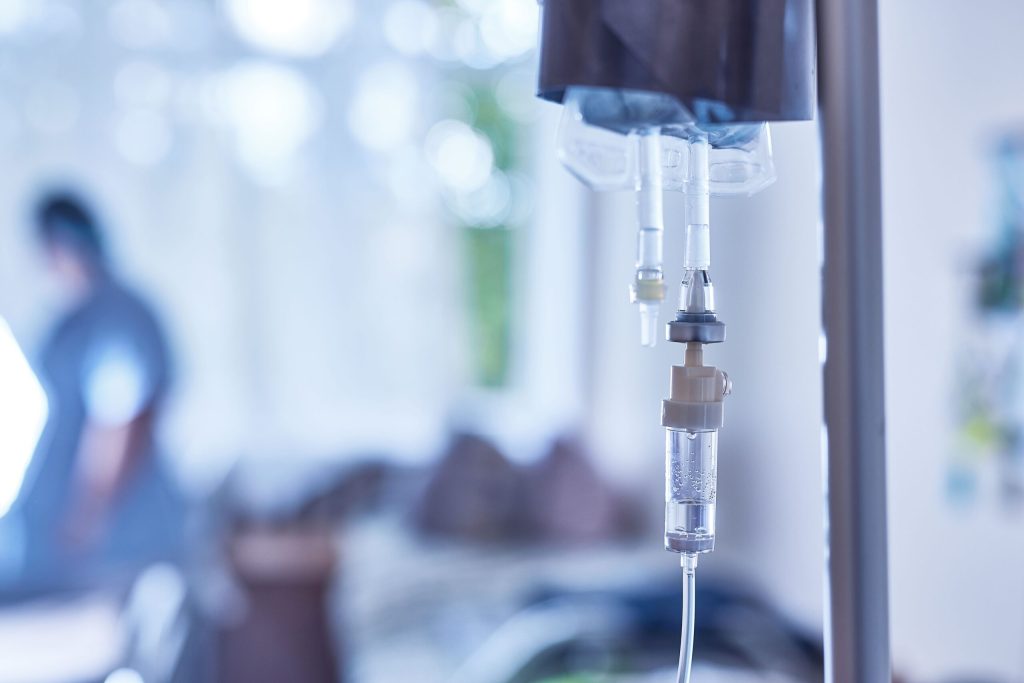
At Skyhill Clinic, we believe that ongoing fatigue and changes in energy levels should be evaluated by looking beyond symptoms alone.
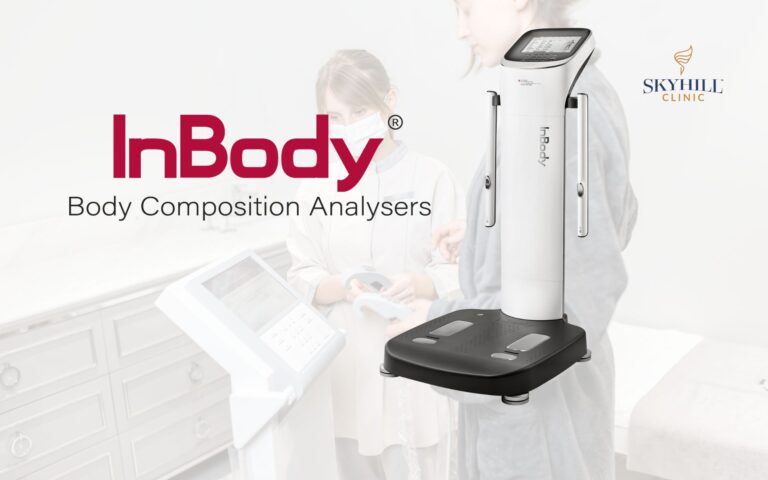
Our approach focuses on understanding possible contributing factors through comprehensive health assessments. By reviewing your health history, symptoms and relevant blood markers, doctors can gain a clearer picture of your overall health.
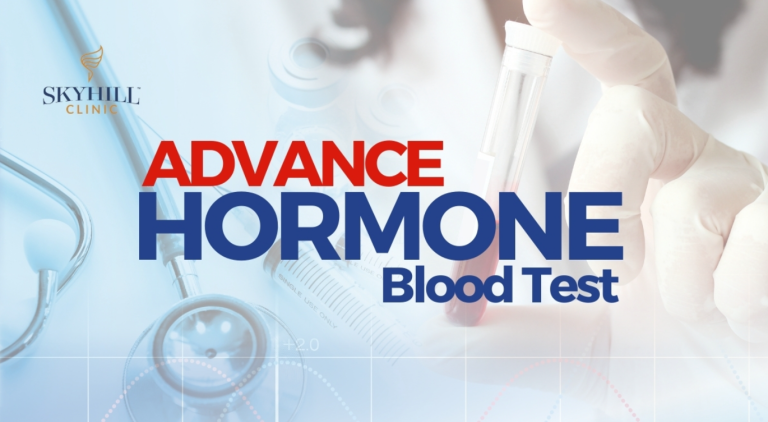
Through assessments such as the Advanced Hormone Blood Test (AHBT), doctors can evaluate hormone-related factors and other health indicators that may influence your wellbeing.
This approach aligns with the principles of functional medicine, which focuses on identifying potential root causes behind health concerns rather than only managing symptoms.
If blood tests confirm iron deficiency, your doctor can discuss suitable treatment options based on your individual needs. In certain cases, iron drip may be considered as part of a personalised treatment plan.
If You Experience These Signs, It May Be Time To Check Your Iron Status
Consider getting an assessment if you experience:
- Persistent fatigue that affects your daily routine.
- Heavy menstrual periods.
- Low energy despite adequate rest.
- Difficulty focusing.
- Ongoing weakness after pregnancy or illness.
- Symptoms that continue without a clear explanation.
Early assessment can help identify whether your symptoms are related to low iron levels or other health factors that require attention.
Conclusion
Iron plays an important role in maintaining energy, oxygen delivery and overall wellbeing. For women, maintaining healthy iron levels can be especially important due to factors such as menstruation, pregnancy and certain health conditions.
Iron drip may be an option for individuals with confirmed iron deficiency after assessment by a healthcare professional. However, the right treatment depends on understanding the cause of low iron levels and each person’s health needs.
Instead of ignoring ongoing fatigue, taking an iron assessment can help provide a clearer understanding of your health status and guide the next steps.
Schedule Your Iron Assessment Today
If you are experiencing persistent tiredness, heavy periods or concerns about your iron levels, speak with a healthcare professional to determine whether iron assessment and suitable treatment options are right for you.
Read more: Iron Drip vs Iron Tablets: Which Is Better?