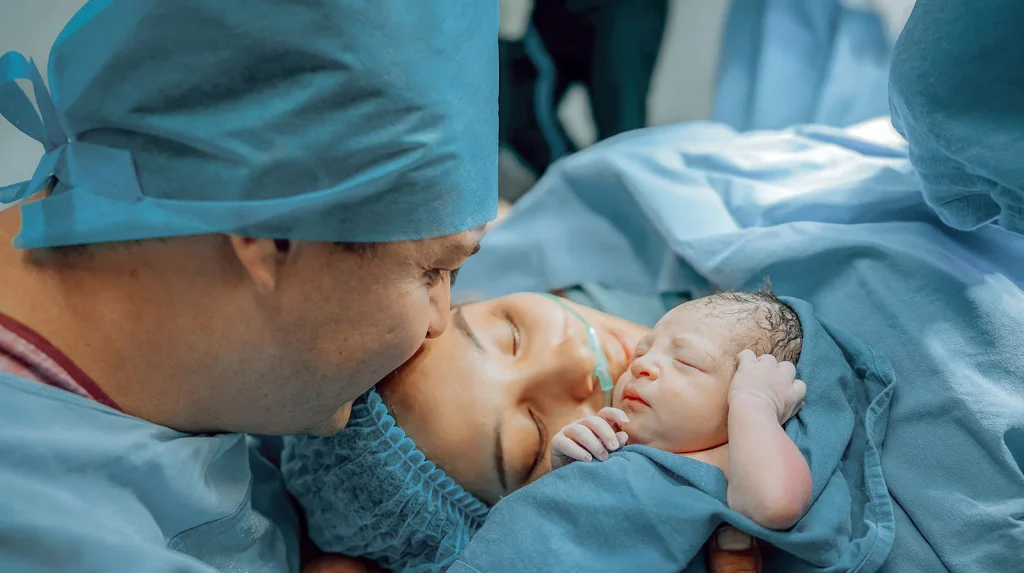
Some women may experience low iron levels after delivery due to blood loss and increased nutritional demands.
The postpartum period is a time when a mother’s body goes through significant physical changes while recovering from pregnancy and childbirth. Feeling tired during this stage is common, especially with changes in sleep patterns and the demands of caring for a newborn. Iron Drip
However, extreme or persistent fatigue may sometimes be linked to low iron levels after childbirth. Blood loss during delivery can reduce iron stores in the body, making it harder to produce enough healthy red blood cells.
For some women, doctors may recommend treatments such as iron drip after assessing their iron levels, symptoms and overall health condition.
What Is Iron Drip and Why May It Be Needed After Childbirth?
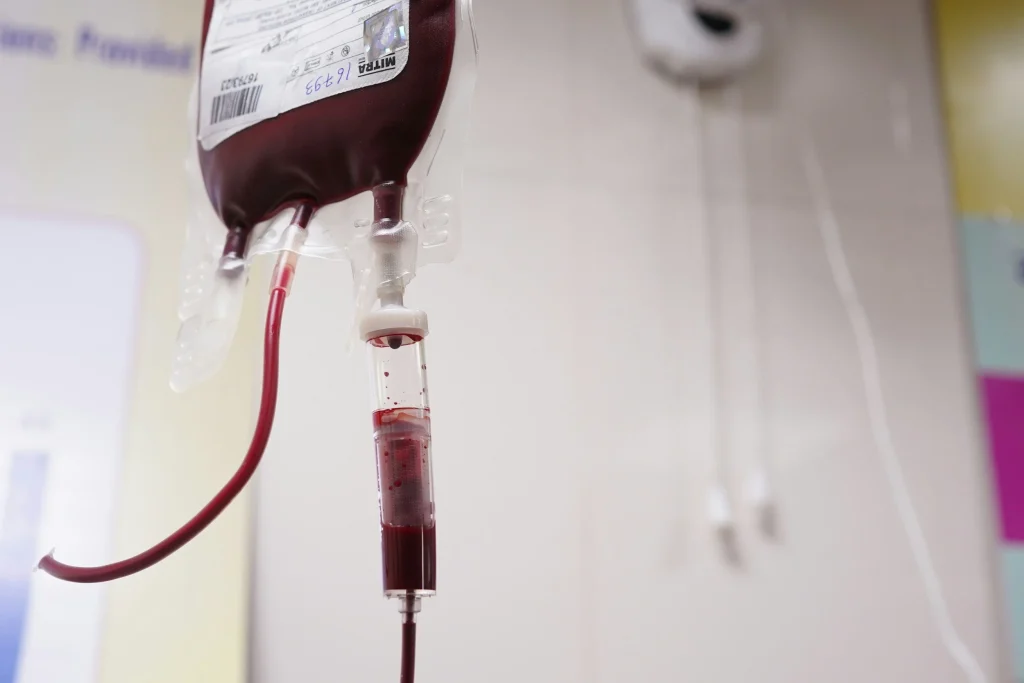
Iron drip, also known as intravenous (IV) iron therapy, is a treatment that delivers iron directly into the bloodstream through an infusion.
Iron is essential for producing haemoglobin, a protein in red blood cells that carries oxygen throughout the body. After childbirth, some women may experience reduced iron levels due to blood loss during delivery.
Iron drip may be considered when:
- Blood tests confirm iron deficiency.
- Iron levels are significantly low.
- Oral iron supplements are not suitable or effective enough.
- A faster improvement in iron stores is needed based on medical assessment.
However, iron drip is not required for every new mother. The decision depends on individual health factors, including the amount of blood loss, symptoms and laboratory results.
Why Can Iron Levels Drop After Giving Birth?
During childbirth, the body naturally loses blood. While most women recover well, some may experience greater blood loss that affects their iron stores.
Several factors may increase the risk of low iron levels after delivery, including:
1. Blood Loss During Delivery
Significant blood loss during childbirth can reduce the amount of iron available in the body and may contribute to iron deficiency.
2. Low Iron Levels During Pregnancy
Women who already had low iron stores during pregnancy may have a higher risk of experiencing continued deficiency after delivery.
3. Increased Nutritional Needs

After childbirth, the body requires adequate nutrients to support recovery, energy levels and, for breastfeeding mothers, milk production.
4. Closely Spaced Pregnancies
When pregnancies occur close together, the body may have less time to rebuild nutrient and iron stores.
Identifying the reason behind low iron levels helps doctors recommend a treatment plan that addresses the mother’s specific needs.
Signs of Low Iron Levels New Mothers Should Not Ignore
Postnatal tiredness is common, but ongoing symptoms may indicate that your iron levels need to be checked.
Signs of possible iron deficiency may include:
- Persistent tiredness despite getting enough rest.
- Feeling weak or lacking energy.
- Dizziness or light-headedness.
- Difficulty concentrating.
- Shortness of breath during normal activities.
- Heart palpitations.
- Pale skin.
- Frequent headaches.
- Increased hair shedding.
- Feeling unable to keep up with daily activities.
If these symptoms continue after childbirth, it is important to consult a healthcare professional for proper assessment.
What You Need to Know About Anemia After Childbirth (Postpartum Anemia)
Skyhill Clinic’s Approach in Supporting Postnatal Health
At Skyhill Clinic, we understand that every mother’s recovery journey after childbirth is different.
Rather than focusing only on symptoms, our approach looks at the possible underlying factors affecting a mother’s wellbeing, including nutritional status, hormonal changes and overall health.
Our doctors assess each individual through:
- Medical and pregnancy history.
- Delivery experience.
- Current symptoms.
- Lifestyle and nutritional factors.
- Relevant blood test results.
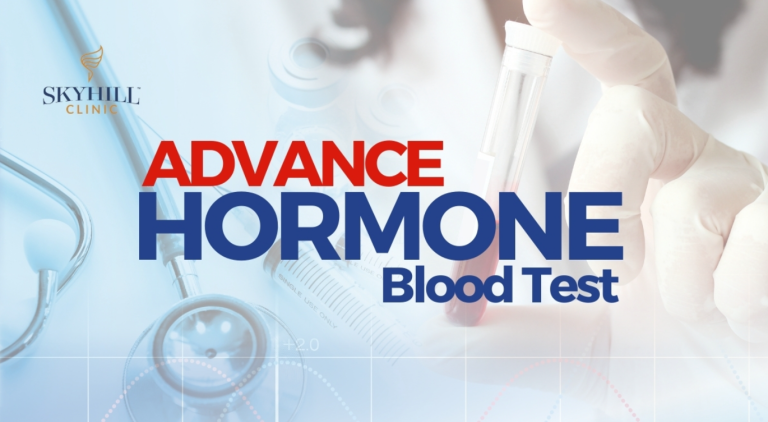
Where appropriate, Advanced Hormone Blood Test (AHBT) may also be considered to evaluate hormonal balance and internal factors that may influence energy levels, recovery and overall wellbeing after childbirth.
This approach aligns with Skyhill Clinic’s focus on identifying the root cause of health concerns and creating personalised care plans based on each individual’s needs.
If You Experience These Signs, It May Be Time To Check Your Iron Status
Consider scheduling a postnatal health assessment if you experience:
- Ongoing fatigue after delivery.
- Difficulty recovering your usual energy levels.
- Dizziness or weakness.
- A history of significant blood loss during childbirth.
- Symptoms that do not improve with diet and supplements.
- Concerns about your overall recovery after giving birth.
Early assessment can help identify whether low iron levels or other health factors may be affecting your recovery.
Conclusion Iron Drip
Recovering after childbirth requires time, proper nutrition and adequate support. While tiredness is common among new mothers, persistent fatigue may sometimes be linked to low iron levels.
Iron drip may benefit certain women after delivery, particularly those with confirmed iron deficiency and a need for alternative iron replacement. However, treatment should always be based on medical evaluation and individual health needs.
If you are experiencing ongoing fatigue or concerns about your postnatal recovery, a health assessment can help identify the right approach for you.
Schedule your postnatal consultation today.
Read more: Iron Drip for Women: Supporting Better Iron Health