A Faster Approach to Replenishing Iron—When Oral Iron Isn’t Enough
When you are dealing with iron deficiency, waiting months for your iron levels to improve can feel frustrating. iron drip
Oral iron supplements are commonly used to treat iron deficiency, but they are not suitable for everyone. Some people experience digestive side effects, while others may have difficulty absorbing enough iron or may not achieve an adequate response despite taking their supplements consistently.
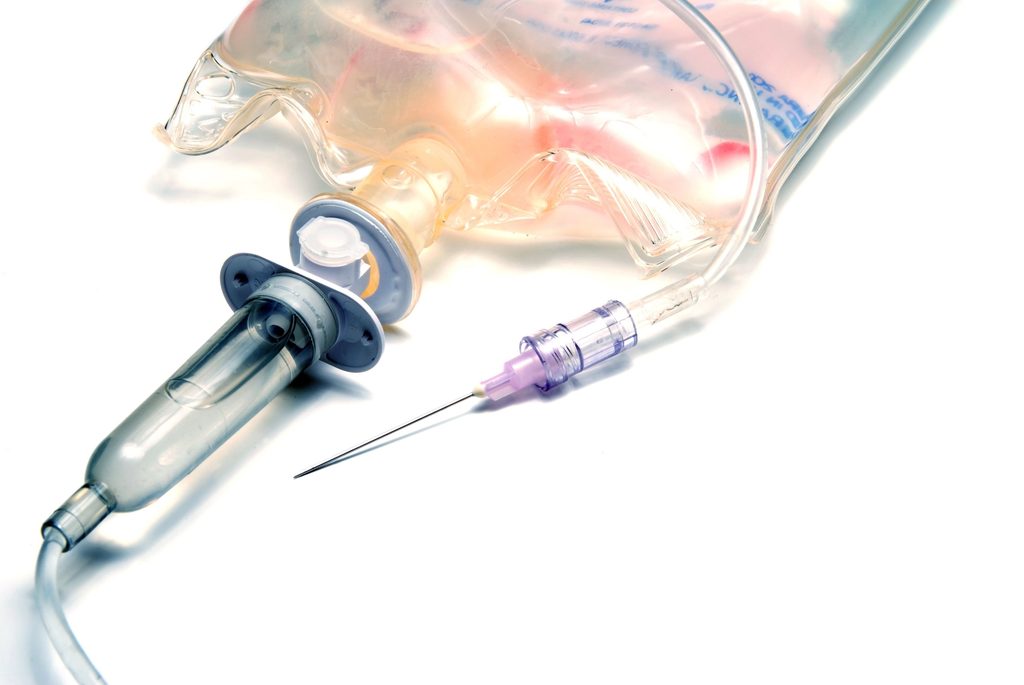
This is where an Iron Drip, or intravenous (IV) iron treatment, may be considered.
Instead of relying on absorption through the digestive system, IV iron is administered directly into the bloodstream. For suitable patients, this can provide a more direct way of replenishing iron stores.
However, it is important to understand that an Iron Drip is not an instant cure. Although the iron is delivered directly into the bloodstream, the body still needs time to use it for haemoglobin production and to restore iron stores.
Why Can Oral Iron Take Time to Work?
Iron tablets need to pass through the digestive system before the body can absorb the iron.
The amount absorbed can vary depending on factors such as the type of iron supplement, the individual’s diet, digestive health and other medications or conditions that may interfere with absorption.
Some people may therefore need to take oral iron consistently for an extended period to replenish depleted iron stores.
For certain patients, treatment can take months, particularly when iron deficiency is significant or there is ongoing blood loss.
That does not mean oral iron is ineffective. In fact, oral iron remains an appropriate treatment for many people.
The important question is whether it is working effectively and is suitable for you.
What Makes an Iron Drip Different?
An Iron Drip delivers iron intravenously, meaning it bypasses the stomach and intestines.
This can be particularly useful for patients who:
- Cannot tolerate oral iron because of digestive side effects
- Do not respond adequately to oral iron
- Have difficulty absorbing iron through the digestive tract
- Need iron replacement in certain medical situations
- Have been assessed by a doctor as suitable for IV iron
Because the iron is administered directly into the bloodstream, it does not depend on gastrointestinal absorption in the same way as oral iron.
The exact amount of iron given depends on your individual requirements, the specific IV iron preparation and your doctor’s assessment.
Can Iron Drip Work in Just a Few Days?
An Iron Drip can replenish iron more efficiently than relying solely on oral absorption in certain situations, but “works in days” does not mean your symptoms will disappear within a few days.
Once iron is administered, your body needs time to use it for processes such as haemoglobin production and restoration of iron stores.
Some people may notice improvements sooner than others, while the full response can take longer.
Factors such as the severity of iron deficiency, haemoglobin level, underlying cause and overall health can influence how quickly you respond.
The goal of treatment is not simply to provide a quick boost, but to correct the underlying iron deficiency appropriately.
What About the 45-Minute Session?
One reason IV iron can be convenient is that the treatment can often be completed during a relatively short clinic visit.
Depending on the formulation and dosage, some Iron Drip sessions may take around 45 minutes, while others may require more or less time.
The actual duration will be determined by the specific treatment prescribed for you.
During the session, the IV iron is administered through a vein and you are monitored by medical professionals for any possible reactions.
Does Iron Drip Give You 100% Absorbed Iron?
IV iron does not rely on the digestive system for absorption because it is administered directly into the bloodstream.
However, it is more accurate to say that the administered iron enters the circulation directly, rather than claiming that 100% of the iron is automatically absorbed and immediately available for every purpose.
Your body still regulates how iron is distributed and used.
This distinction is important because the goal of treatment is to restore iron availability and stores safely—not simply to deliver the largest possible amount of iron.
When Might Iron Drip Be a Better Option?
There is no single treatment that is best for everyone.
Oral iron may be appropriate when the deficiency is mild and the patient can tolerate and absorb the medication effectively.
IV iron may be considered when:
Oral Iron Causes Side Effects
Some patients experience constipation, nausea, stomach discomfort or other gastrointestinal symptoms when taking iron tablets.
Oral Iron Has Not Worked Adequately
If blood tests show that iron levels are not improving sufficiently despite appropriate oral treatment, a doctor may consider IV iron.
Absorption Is an Issue
Certain gastrointestinal conditions can make it difficult for the body to absorb enough iron from oral supplements.
A Larger Amount of Iron Is Needed
In some medical situations, IV iron may be used to replenish iron stores more efficiently under medical supervision.
What Symptoms Can Low Iron Cause?
Iron deficiency can affect the body in different ways.
Some people may experience:
- Persistent tiredness
- Reduced exercise tolerance
- Dizziness
- Headaches
- Difficulty concentrating
- Pale skin
- Shortness of breath during activity
- Heart palpitations
- Brittle nails
- Increased sensitivity to cold
These symptoms are not exclusive to iron deficiency, so they should not be used as a substitute for proper medical assessment.
Blood tests can help determine whether iron deficiency or anaemia is present.
When You Need an Iron Infusion vs Oral Supplements
The Skyhill Clinic Approach: Faster Iron Replacement, When Appropriate

At Skyhill Clinic, the focus is on determining whether IV iron is medically appropriate for each individual.
Before an Iron Drip, the doctor can review your symptoms, medical history and relevant blood test results. This helps identify whether iron deficiency is present and whether IV iron is a suitable treatment option.
If recommended, the appropriate IV iron preparation and dosage will be selected based on your individual needs.
The treatment is administered intravenously under medical supervision, and you are monitored throughout the session.
The number of treatments required can vary. Some patients may require only one session, while others may need additional treatment depending on their iron levels and overall requirements.
Follow-up blood tests may also be recommended to monitor your response.
Don’t Just Wait and Hope Your Iron Levels Improve
If you have been taking iron tablets for months without seeing the improvement expected, it may be time to discuss your options with a doctor.
This does not necessarily mean that you should stop oral iron or switch immediately to IV treatment.
Instead, the important step is to understand why your iron levels remain low.
Possible reasons include inadequate intake, poor absorption, ongoing blood loss or an underlying medical condition.
Addressing the cause alongside iron replacement can help provide a more complete approach to managing iron deficiency.
Faster Doesn’t Always Mean Better—The Right Treatment Does
When it comes to treating iron deficiency, choosing the “fastest” option is not always the most important consideration.
The right treatment depends on your individual condition.
For some people, oral iron is sufficient. For others, IV iron may be more appropriate because oral treatment is poorly tolerated, inadequately absorbed or has not produced the desired response.
An Iron Drip provides a direct route for iron administration and can be completed in a relatively short clinic session, but its effects should not be measured by how quickly you feel an energy boost.
The real goal is to restore iron levels safely and appropriately.
Conclusion
Iron deficiency can take time to correct, particularly when relying on oral supplements or when the underlying cause has not been addressed.
An Iron Drip offers a direct method of delivering iron into the bloodstream and may be considered for patients who cannot tolerate oral iron, have absorption difficulties or have not responded adequately to oral treatment.
Although some IV iron sessions may take around 45 minutes, the body’s response does not happen instantly. The iron still needs to be used by the body to support haemoglobin production and replenish iron stores.
If you have been struggling with low iron despite taking supplements, don’t simply continue waiting without reassessing your treatment.
Choose a treatment approach based on your body’s needs. Reserve your Iron Drip appointment at Skyhill Clinic today and find out whether IV iron is suitable for you.