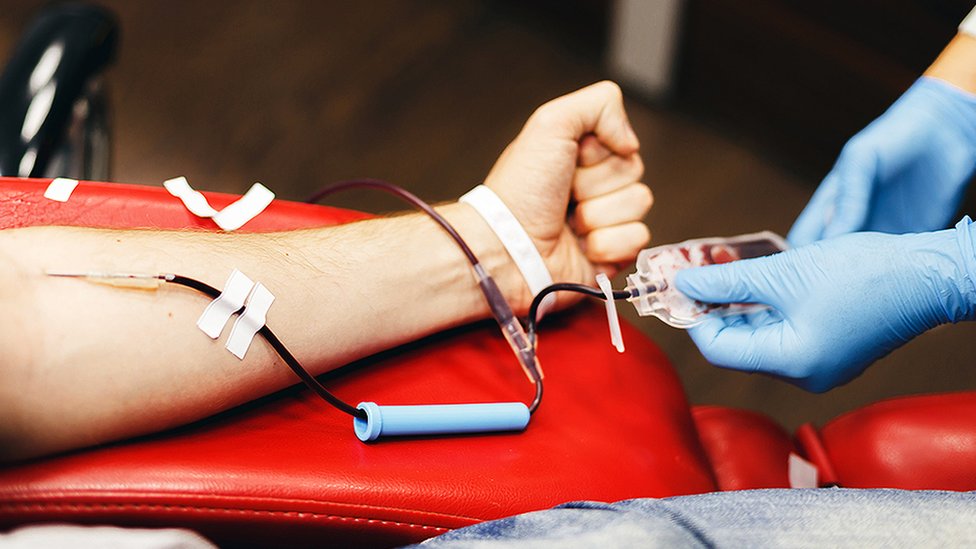
Blood donation can result in iron loss, particularly for frequent donors.
Blood donation is a meaningful way to help patients who need transfusions. However, every time you donate blood, you also lose red blood cells and some of the iron stored in your body. iron drip
For many people, the body can gradually replace this loss. However, frequent blood donors may be more likely to develop low iron stores over time, especially if their dietary iron intake does not adequately replace what has been lost.
Interestingly, iron stores can become low before a person develops anaemia or experiences obvious symptoms.
If you regularly donate blood and have started feeling unusually tired, weak or less energetic, it may be worth paying closer attention to your iron status.
What Happens to Your Iron When You Donate Blood? iron drip
Iron is an essential mineral that the body needs to produce haemoglobin.
Haemoglobin is found in red blood cells and helps transport oxygen from the lungs to the rest of the body.
When you donate blood, red blood cells containing haemoglobin are removed from your body. Your body then needs to produce new red blood cells to replace them.
This process requires iron.
As a result, blood donation can lead to iron loss. For occasional donors, the body may be able to gradually replace the lost iron through normal dietary intake and recovery processes.
However, the situation can be different for frequent blood donors.
If blood donations happen repeatedly before iron stores have fully recovered, iron levels may gradually become lower over time.
This does not mean that every frequent blood donor will develop iron deficiency. Individual risk can vary depending on factors such as diet, donation frequency, age, sex, menstrual blood loss and overall health.
Why Should Frequent Blood Donors Pay Attention to Iron? iron drip
There are several reasons why regular blood donors may benefit from being aware of their iron status.
1. Your Body Needs Iron to Make New Red Blood Cells
After donating blood, your body works to replace the red blood cells that were lost.
Iron is an important component in this process. If your iron stores are already low, your body may have less iron available for producing new red blood cells.
2. Repeated Donations Can Increase Iron Loss
Each blood donation involves some loss of iron.
For someone who donates regularly, these losses can accumulate if the body does not have enough time or dietary iron to fully replenish its stores.
The frequency at which someone can safely donate depends on the applicable blood donation guidelines and their individual circumstances.
3. Low Iron Can Occur Before Anaemia iron drip
Iron deficiency and anaemia are not exactly the same thing.
A person can have low iron stores before their haemoglobin becomes low enough to meet the definition of anaemia.
This is one reason why relying only on haemoglobin or symptoms may not provide the complete picture of iron status.
Depending on your circumstances, a healthcare professional may recommend additional blood tests to assess your iron status.
4. Diet Can Affect Iron Recovery iron drip
Iron can be obtained from foods such as meat, seafood, legumes, leafy vegetables, whole grains and iron-fortified foods.
However, the amount of iron present in food is not necessarily the same as the amount absorbed by the body.
Dietary patterns, the type of iron consumed and other nutrients can influence iron absorption.
For frequent blood donors, maintaining a balanced diet that provides sufficient iron can therefore be an important part of supporting recovery.
Signs You May Need to Check Your Iron Levels
Iron deficiency does not always cause obvious symptoms, especially in its early stages.
However, frequent blood donors may want to discuss an iron assessment with a healthcare professional if they notice changes such as:
- Feeling unusually tired
- Reduced energy throughout the day
- Feeling weak more often
- Dizziness or light-headedness
- Difficulty concentrating
- Reduced exercise performance
- Becoming short of breath during physical activity
- Looking paler than usual
- Increased hair shedding
- More fragile nails
- Feeling your heart beating faster during activity
These symptoms are not specific to iron deficiency.
For example, tiredness can also be linked to insufficient sleep, stress, nutritional deficiencies, hormonal changes or other health conditions.
That is why symptoms alone cannot confirm whether your iron levels are low.
A blood test can provide more useful information and help determine whether further evaluation is needed.
Skyhill Clinic’s Approach to Iron Health

At Skyhill Clinic, health is approached by looking beyond individual symptoms and considering the factors that may contribute to changes in overall wellbeing.
For frequent blood donors experiencing symptoms such as persistent fatigue, low energy or reduced physical performance, blood testing can help assess their iron status.
Depending on the individual’s situation, a healthcare professional may consider tests such as haemoglobin and other iron-related markers to gain a clearer understanding of their current status.
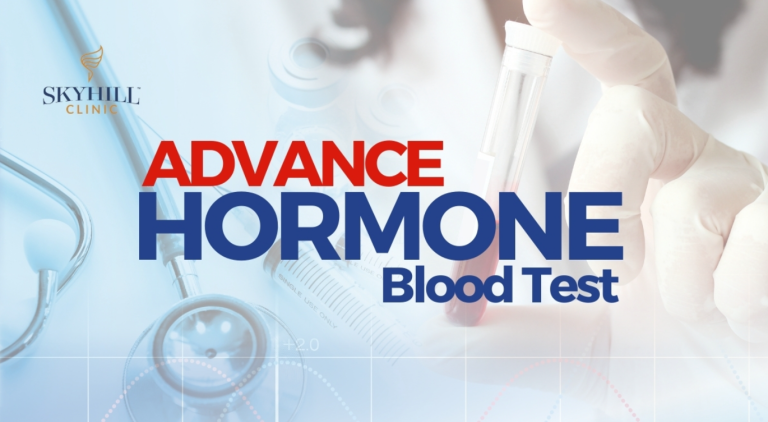
Skyhill Clinic also takes a broader approach to health by considering factors such as nutrition, lifestyle and hormonal health. Where appropriate, an Advanced Hormone Blood Test (AHBT) may be considered as part of a more comprehensive health assessment.
Does Donating Blood Mean You Need an Iron Drip?
Not necessarily.
Being a blood donor does not automatically mean that you need an iron drip.
If your iron levels are adequate, taking additional iron may not be necessary simply because you have donated blood.
If testing confirms iron deficiency, a healthcare professional can assess the severity of the deficiency, possible contributing factors and the most appropriate management.
Depending on the situation, treatment may include dietary adjustments or oral iron supplementation. In selected cases, intravenous iron, or an iron drip, may be considered when clinically appropriate.
The key is to identify whether iron deficiency is actually present before deciding on treatment.
Donating Blood Is Generous — But Remember Your Own Health Too iron drip
Blood donation can make an important difference to someone else’s health, but donors should also pay attention to their own nutritional and overall health.
For frequent donors, repeated blood loss may contribute to reduced iron stores, particularly when iron intake does not adequately replace what has been lost.
If you regularly donate blood and notice persistent fatigue, reduced energy or changes in your physical performance, consider discussing your iron status with a healthcare professional.
Understanding your iron levels can help you make informed decisions about your health and whether further assessment or treatment is appropriate.
Consider getting your iron levels checked regularly.
Read more: Iron Drip: Is It Suitable for Women With Heavy Periods?