For some individuals, oral iron supplements may not provide the expected results.
Iron tablets are often the first treatment recommended for individuals with low iron levels. However, not everyone responds to oral iron supplements in the same way. iron drip
Some people may continue experiencing symptoms such as fatigue, weakness or reduced energy despite taking iron tablets. In other cases, side effects or absorption issues may make oral supplements difficult to continue.
When this happens, doctors may consider iron drip as an alternative approach to help restore iron levels. However, this treatment is not automatically required for everyone and should only be recommended after reviewing your health condition and test results.
What Is Iron Drip and How Is It Different From Iron Tablets?
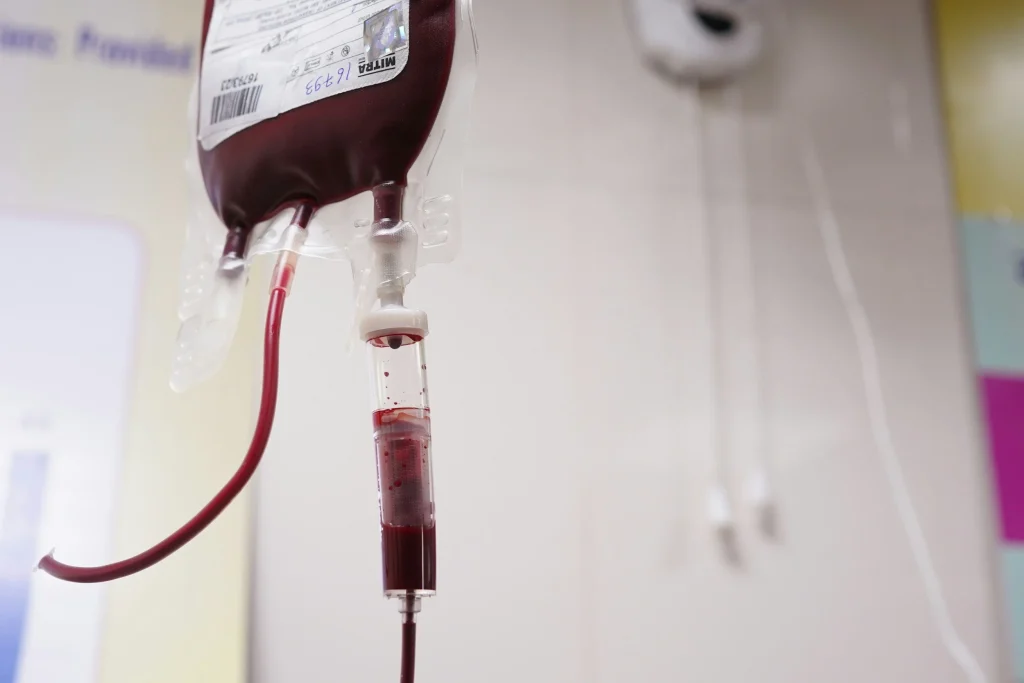
Iron drip, also known as intravenous (IV) iron therapy, is a treatment that delivers iron directly into the bloodstream through an infusion.
Iron tablets work by passing through the digestive system before iron can be absorbed into the body. While this method works well for many individuals, some people may experience challenges with absorption or tolerance.
Iron drip may provide an alternative approach by allowing iron to enter the bloodstream directly.
The main differences between iron tablets and iron drip include:
Iron Tablets
- Taken orally and absorbed through the digestive system.
- Commonly used as an initial treatment option.
- May take longer to improve iron stores depending on individual response.
Iron Drip
- Delivered directly through an intravenous infusion.
- May be considered when oral supplements are not effective or suitable.
- Requires medical assessment before treatment.
The most suitable option depends on the individual’s iron levels, symptoms and overall health condition.
Why Might Iron Tablets Not Be Enough for Some People?
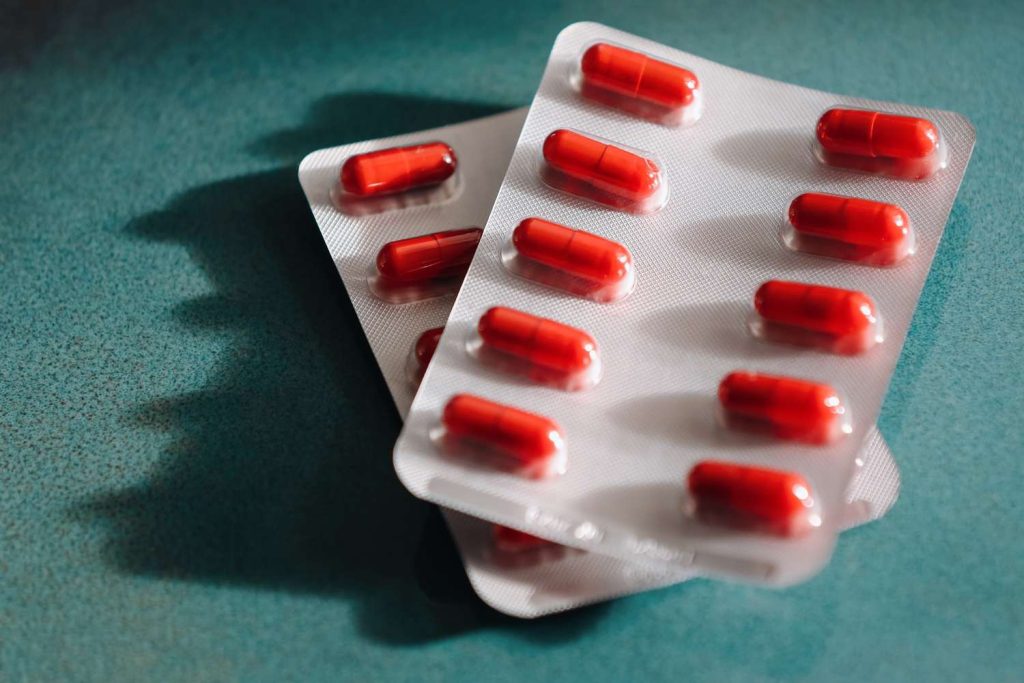
Although iron tablets can help many people, there are situations where they may not provide sufficient improvement.
Some possible reasons include:
1. Difficulty Absorbing Iron
Certain health conditions can affect how well the body absorbs nutrients from the digestive system. As a result, iron levels may remain low despite taking supplements.
2. Side Effects From Iron Tablets
Some individuals experience digestive discomfort after taking iron supplements, which may affect their ability to continue treatment consistently.
3. Significant Iron Deficiency
When iron levels are very low, doctors may consider other approaches depending on the severity and symptoms experienced.
4. Ongoing Iron Loss
If the body continues losing iron, such as through heavy menstrual bleeding or certain health conditions, replacing iron may require a more personalised approach.
Understanding why iron levels remain low is important because treatment should address the underlying cause, not only the symptoms.
Signs That Your Iron Levels May Need Further Assessment
Low iron levels can affect your energy, concentration and daily activities. Some symptoms may appear gradually and be overlooked.
Signs that may indicate the need for an iron assessment include:
- Persistent tiredness despite adequate rest.
- Feeling weak or lacking energy.
- Difficulty focusing at work or during daily activities.
- Dizziness or light-headedness.
- Shortness of breath during normal activities.
- Heart palpitations.
- Pale skin.
- Frequent headaches.
- Increased hair shedding.
- Feeling less productive due to low energy levels.
If these symptoms continue despite taking iron tablets, it may be helpful to discuss your condition with a doctor to determine whether further evaluation is needed.
Intravenous iron therapy: how far have we come?
Skyhill Clinic’s Approach in Finding the Right Treatment for You
At Skyhill Clinic, we focus on understanding the underlying cause behind health concerns rather than treating symptoms alone.
Low energy and persistent fatigue may involve multiple factors, including iron status, nutritional intake, hormonal balance, lifestyle habits and overall wellbeing.
Our doctors assess each individual through:
- Medical history review.
- Current symptoms.
- Lifestyle factors.
- Relevant blood tests.
- Personal health goals.
Where appropriate, Advanced Hormone Blood Test (AHBT) may also be considered to provide a deeper understanding of hormonal balance and internal factors that may influence energy levels and recovery.
This approach aligns with Skyhill Clinic’s focus on identifying the root cause of health concerns and developing personalised treatment plans based on each individual’s needs.
If You Experience These Signs, It May Be Time To Review Your Iron Levels
Consider speaking with a doctor if you:
- Still feel exhausted despite taking iron supplements.
- Cannot tolerate iron tablets due to side effects.
- Have a history of heavy menstrual bleeding or blood loss.
- Have previously been diagnosed with iron deficiency.
- Notice that low energy is affecting your quality of life.
- Want to understand whether iron drip is suitable for your condition.
A proper assessment can help determine whether you need to continue with oral supplements, consider iron drip or explore other possible causes of your symptoms.
Conclusion iron drip
Iron tablets remain an effective treatment option for many individuals with low iron levels. However, some people may need an alternative approach when oral supplements are ineffective, poorly tolerated or unsuitable.
Iron drip may be considered after a doctor evaluates your diagnosis, symptoms and test results. The goal is to provide the right treatment based on your individual health needs.
If you are experiencing ongoing fatigue or concerns about your iron levels, seeking professional advice can help you understand your options.
Talk to our doctor about your treatment options.
Read more: Iron Drip for Iron Deficiency Anaemia: When Is It Needed?