Certain digestive conditions can affect how well the body absorbs iron. iron drip
Iron deficiency is not always caused by simply not eating enough iron-rich foods. Your body also needs to absorb iron effectively from the digestive system. iron drip
When certain digestive conditions affect the stomach or small intestine, iron absorption may become less efficient. Over time, this can contribute to low iron stores and, in some cases, iron deficiency anaemia.
This is why persistent low iron may sometimes require more than simply increasing iron intake. Identifying the underlying reason can help determine the most appropriate approach.
What Does Gut Health Have to Do With Iron Absorption? iron drip
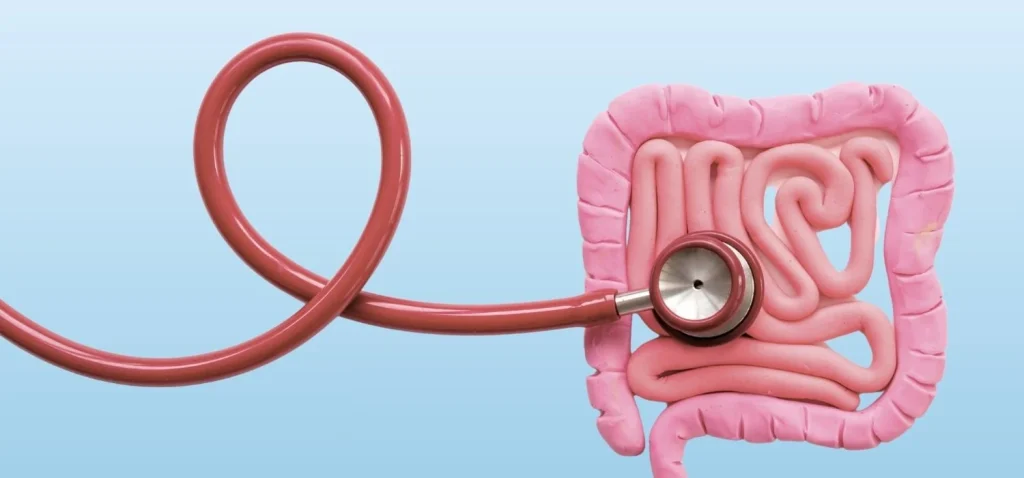
Iron absorption mainly takes place in the small intestine. Before iron can be absorbed, it goes through several processes involving the digestive system.
There are two main forms of dietary iron:
- Heme iron – mainly found in animal-based foods and generally absorbed more efficiently.
- Non-heme iron – mainly found in plant-based foods and affected more by other dietary factors.
The stomach also plays an important role in preparing iron for absorption. The digestive tract then helps move iron into the bloodstream, where it can be used or stored.
If the digestive system is affected by certain conditions, the body’s ability to absorb iron may be reduced.
This means a person could consume an adequate amount of iron but still develop low iron stores because their body is not absorbing enough.
Why Can Digestive Conditions Affect Iron Absorption? iron drip
Several gastrointestinal conditions can interfere with iron absorption or contribute to iron deficiency.
1. Coeliac Disease iron drip
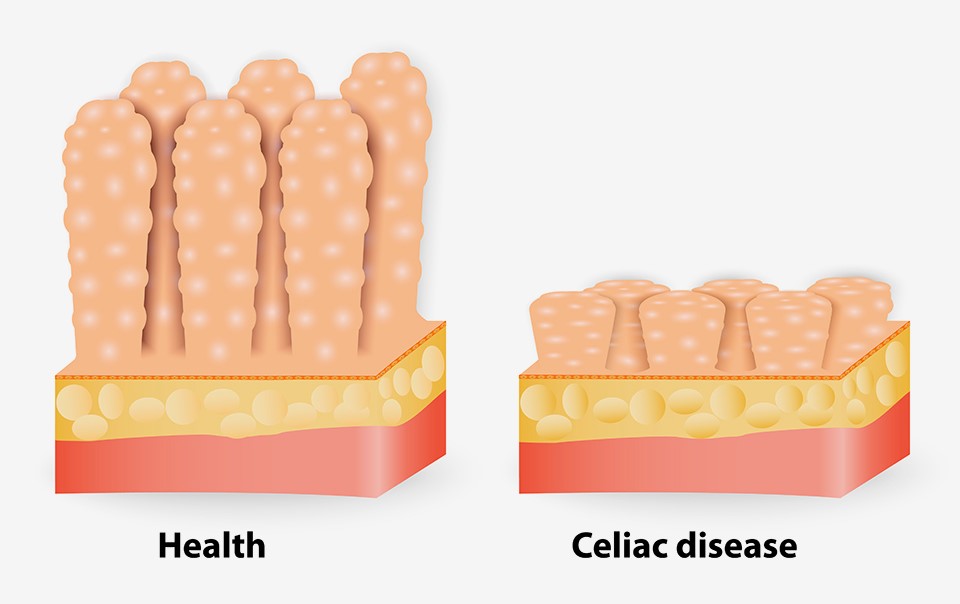
Coeliac disease can damage the lining of the small intestine when a person with the condition consumes gluten.
Because the small intestine is an important site for nutrient absorption, this damage may affect the absorption of nutrients, including iron.
In some people, unexplained iron deficiency may be one of the reasons doctors investigate for an underlying digestive condition.
2. Inflammatory Bowel Disease iron drip
Conditions such as Crohn’s disease and ulcerative colitis can cause inflammation within the digestive tract.
Iron deficiency may occur due to a combination of factors, including reduced absorption, reduced dietary intake and blood loss associated with inflammation.
3. Certain Stomach Conditions iron drip
The stomach contributes to the digestion and processing of nutrients before they reach the small intestine.
Some stomach conditions or changes affecting stomach acid may influence iron absorption.
Long-term use of certain medications that reduce stomach acid may also affect iron absorption in some individuals.
This does not mean these medications should be stopped without medical advice. If you are concerned about your iron levels, discuss your medication and symptoms with your doctor.
4. Previous Digestive Surgery iron drip
Some types of gastrointestinal surgery can alter how food travels through the digestive system or reduce the area available for nutrient absorption.
As a result, certain individuals may have a higher risk of nutritional deficiencies, including iron deficiency.
5. Ongoing Digestive Symptoms iron drip
Persistent symptoms such as abdominal discomfort, changes in bowel habits or unexplained digestive problems may sometimes occur alongside nutritional deficiencies.
If low iron keeps returning despite appropriate supplementation, it may be worth investigating whether absorption or another underlying cause is involved.
Signs That May Suggest You Need an Iron Assessment
Gut-related iron deficiency does not always cause obvious digestive symptoms.
Some individuals may mainly notice symptoms associated with low iron or anaemia.
Look out for:
- Persistent tiredness
- Low energy throughout the day
- Feeling weak
- Dizziness or light-headedness
- Difficulty concentrating
- Reduced exercise tolerance
- Shortness of breath during physical activity
- Pale-looking skin
- Increased hair shedding
- Brittle nails
- Recurrent low iron results despite treatment
- Ongoing abdominal discomfort or changes in bowel habits
These symptoms are not specific to iron deficiency.
Fatigue, for example, can have many possible causes. Similarly, digestive symptoms can occur for many different reasons.
If symptoms continue or your iron levels remain low, proper medical assessment can help identify the possible cause.
Symptoms of an Unhealthy Gut and What to Do About It: Foods to Eat and Practices to Try
Skyhill Clinic’s Approach to Understanding Iron Health iron drip

At Skyhill Clinic, health concerns are approached by looking beyond the symptom alone.
When someone has persistent or unexplained low iron, the goal is not simply to replace iron but also to understand why the iron level may be low in the first place.
A doctor may review your dietary intake, medical history, symptoms, medications and previous blood test results. Depending on your situation, blood tests may also be recommended to assess your haemoglobin and iron status.
If an underlying digestive condition is suspected, further medical evaluation may be required.
Skyhill Clinic also takes a broader approach to health, considering factors such as nutrition, lifestyle and hormonal health. Where appropriate, an Advanced Hormone Blood Test (AHBT) may be considered as part of a wider health assessment.
When Might an Iron Drip Be Considered?
An iron drip, also known as intravenous iron, may be considered in selected situations where iron deficiency has been confirmed.
For example, it may be considered when oral iron is not tolerated, is not adequately absorbed or does not sufficiently correct the deficiency, depending on the individual’s circumstances.
However, an iron drip does not treat the underlying digestive condition itself.
If poor absorption is contributing to low iron, identifying and managing the underlying cause remains important.
This is why iron replacement and medical assessment should go hand in hand.
Could Your Gut Be Affecting Your Iron Levels?
If you continue to have low iron despite eating iron-rich foods or taking iron supplements, absorption may be one factor worth discussing with your doctor.
Digestive conditions, previous gastrointestinal surgery, certain medications and other health factors can influence how effectively your body absorbs nutrients.
Rather than assuming that you simply need more iron, finding the underlying cause can help guide the right approach.
Speak to our doctor for a proper assessment.
Read more: Iron Drip for Women With Heavy Menstrual Bleeding