Pregnancy transforms your body in extraordinary ways. Beyond the visible signs like a growing belly or glowing skin, a complex hormonal symphony is quietly orchestrating the process. These chemical messengers handle critical tasks, from sustaining your pregnancy to preparing for childbirth and breastfeeding. Pregnancy Hormones
The Hormonal Orchestra at Work Pregnancy Hormones
Several hormones work together to guide your body through pregnancy. Among the most important are:
- Human Chorionic Gonadotropin (hCG) – Signals early pregnancy and prevents menstruation.
- Progesterone – Maintains a safe environment for the baby.
- Estrogen – Supports growth and energy needs.
- Relaxin – Prepares joints and ligaments for childbirth.
- Prolactin – Gets the body ready for breastfeeding.
- Oxytocin – Drives labor and strengthens emotional bonding.
Human Chorionic Gonadotropin: The Early Signal Pregnancy Hormones
Produced by the placenta shortly after conception, hCG ensures the uterine lining remains intact. It also explains early pregnancy symptoms like nausea and fatigue. Detecting hCG is how most home pregnancy tests confirm conception.
Progesterone: Guardian of the Uterus Pregnancy Hormones
Progesterone thickens the uterine lining and relaxes uterine muscles to prevent early contractions. It supports your immune system to protect the growing baby and begins preparing your breast tissue for milk production. Because it slows digestion, progesterone may also cause bloating or constipation.
Estrogen: The Growth and Energy Hormone
Estrogen stimulates uterine growth, increases blood flow to the placenta, and helps develop your baby’s organs. It also contributes to breast changes and the well-known “pregnancy glow.” However, its fluctuations can influence mood, which is why emotional ups and downs are common during pregnancy.
Relaxin: Making Room for Baby
Relaxin softens ligaments and joints to allow your pelvis to widen during birth. This increased flexibility is vital, but it can sometimes lead to joint discomfort. Choosing supportive footwear and being mindful of posture can help you stay comfortable.
Prolactin: Preparing for Breastfeeding
As pregnancy progresses, prolactin gradually readies your mammary glands for milk production. After birth, prolactin surges in response to nursing, ensuring a steady milk supply and strengthening the bond between you and your baby.
Oxytocin: The Birth and Bonding Hormone
Oxytocin stimulates powerful uterine contractions during labor and helps the cervix dilate. After delivery, it encourages the uterus to return to its pre-pregnancy size. Perhaps most beautifully, oxytocin deepens emotional bonding through skin-to-skin contact and breastfeeding.
Hormonal Effects Beyond the Obvious
Pregnancy hormones don’t just influence reproduction. They:
- Boost metabolism to provide energy for both you and your baby.
- Adjust immune responses to protect the fetus.
- Expand blood volume to support cardiovascular health.
- Affect skin and hair, sometimes creating a radiant glow or pigmentation changes like melasma.
Supporting Your Body Through Hormonal Shifts
To manage these changes effectively:
- Eat Nutrient-Rich Foods: Include protein, healthy fats, and colorful vegetables to fuel hormone production.
- Stay Active: Gentle activities like prenatal yoga or walking support circulation and mood.
- Manage Stress: Deep breathing or mindfulness helps regulate cortisol levels.
- Prioritize Rest: Fatigue is common, so listen to your body’s signals.
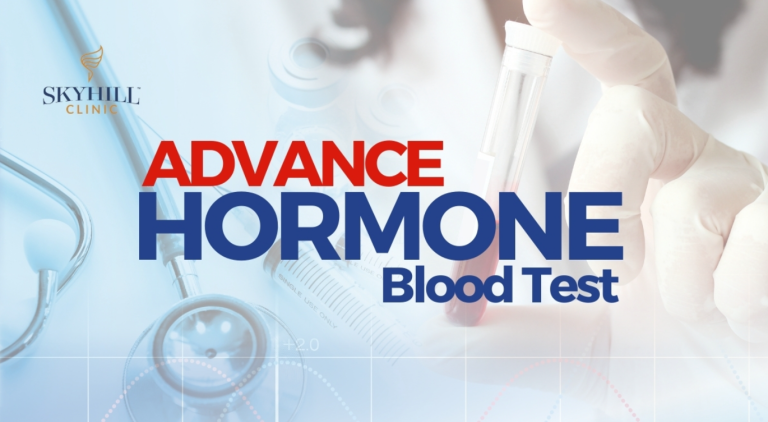
- Attend Regular Check-Ups: Monitoring hormone levels ensures a healthy pregnancy.
After Birth: The Hormonal Transition Continues
The hormonal story doesn’t end with delivery. Estrogen and progesterone levels drop rapidly, sometimes causing mood shifts or the “baby blues.” Prolactin remains high to support breastfeeding, and oxytocin continues to promote bonding and uterine healing.
The Hormonal Shifts During Menopause: What Every Woman Should Know
The Lasting Impact of Pregnancy Hormones
These hormones can leave long-term benefits. Exposure during pregnancy may lower the risk of certain reproductive cancers, improve joint health for some women, and enhance emotional resilience through oxytocin’s bonding effects.
Conclusion
Pregnancy hormones are master planners, coordinating everything from early development to postpartum recovery. While their effects—like fatigue, nausea, or mood changes—can be challenging, they are essential for a healthy pregnancy. By understanding and supporting these hormonal shifts with balanced habits and mindful care, you can navigate pregnancy confidently, knowing your body is perfectly designed for birth and beyond.
More interesting articles here : What is the role of hormones during pregnancy?