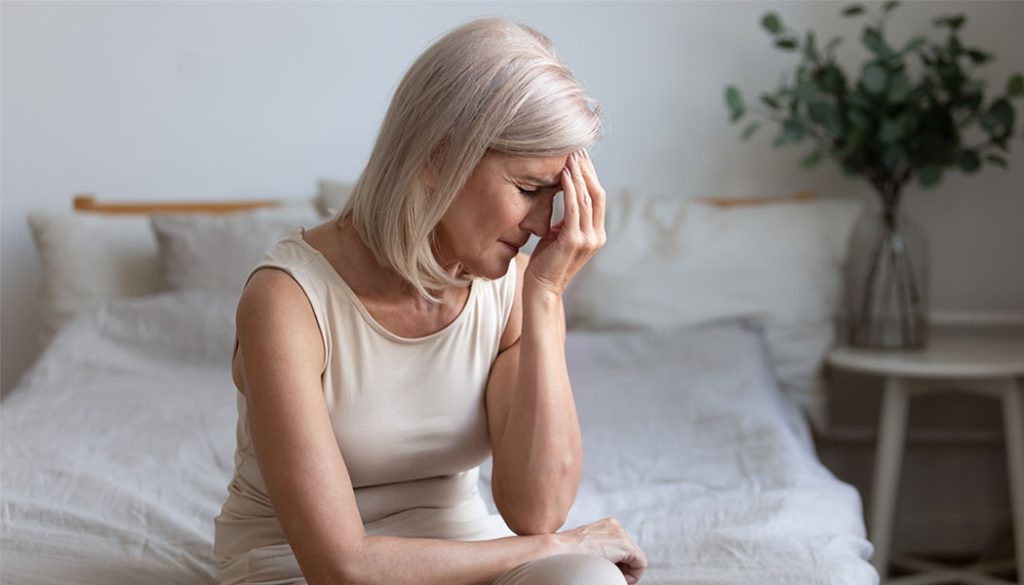
Menopause is a natural stage of life, yet the hormonal changes it brings can feel anything but simple. As a woman’s reproductive years wind down, shifting hormone levels trigger physical, emotional, and even cognitive changes. Understanding these hormonal shifts during menopause can help you prepare, adapt, and support your well-being through this significant transition.
1. What Is Menopause and When Does It Happen?
Menopause is officially defined as the point when a woman has gone 12 consecutive months without a menstrual period. It typically occurs between ages 45 and 55, although it can happen earlier or later. The time leading up to menopause, known as perimenopause, is when most hormonal changes begin. Perimenopause can last anywhere from 4 to 10 years, during which hormone levels fluctuate dramatically.
Furthermore, external factors such as lifestyle, genetics, and certain medical treatments (like chemotherapy or hysterectomy) can influence when menopause begins.
2. Key Hormonal Shifts During Menopause
a. Decline in Estrogen
Estrogen, the primary female sex hormone, plays a vital role in regulating menstrual cycles, maintaining bone density, and supporting skin elasticity. During menopause, estrogen levels gradually decline. This reduction can lead to hot flashes, night sweats, vaginal dryness, and mood swings. Lower estrogen also affects bone health, increasing the risk of osteoporosis over time.
b. Fluctuating Progesterone
Progesterone helps balance estrogen and prepares the uterus for pregnancy. As ovulation becomes irregular during perimenopause, progesterone production decreases. Lower progesterone can contribute to irregular or heavy periods, sleep disturbances, and heightened anxiety.
c. Changes in Testosterone
Although present in smaller amounts, testosterone contributes to muscle mass, energy, and libido. During menopause, testosterone levels may decrease slightly, potentially affecting sexual desire and vitality.
d. Impact on Follicle-Stimulating Hormone (FSH) and Luteinizing Hormone (LH)
As the ovaries reduce estrogen production, the brain releases higher amounts of FSH and LH in an attempt to stimulate the ovaries. Elevated FSH is often used as a marker to confirm menopause.
3. How These Hormonal Shifts Affect the Body
The decline and fluctuation of hormones during menopause influence many body systems:
- Temperature Regulation: Hot flashes and night sweats occur when estrogen changes confuse the body’s temperature control.
- Sleep Quality: Hormonal imbalances can cause insomnia or restless sleep.
- Mood and Mental Health: Shifts in estrogen and progesterone may influence serotonin and dopamine, leading to mood swings, irritability, or low motivation.
- Skin and Hair: Lower estrogen reduces collagen production, causing thinner skin and possible hair thinning.
- Bone Health: Decreasing estrogen levels can accelerate bone loss, raising the risk of fractures.
- Weight and Metabolism: Slower metabolism and redistribution of body fat, especially around the abdomen, are common.
Apakah Andropaus dan Bagaimana Ia Berbeza dari Menopaus?
4. Emotional and Cognitive Effects
Menopause doesn’t just affect the body—it can also influence emotional well-being and cognition. Many women report brain fog, forgetfulness, or trouble concentrating. Additionally, fluctuating hormones can amplify stress responses, making it harder to manage daily challenges. Recognizing these changes as part of a natural transition, rather than a personal failing, can help reduce frustration and anxiety.
5. Lifestyle Strategies to Support Hormonal Balance
While you can’t stop menopause, you can make choices to ease the transition and protect your long-term health:
a. Prioritize Nutrition
A balanced diet rich in calcium, vitamin D, magnesium, and protein supports bone density and overall energy. Include leafy greens, legumes, nuts, and lean meats or plant-based proteins. Limiting processed foods and added sugars can also reduce inflammation and stabilize energy.
b. Stay Physically Active
Weight-bearing exercises like walking, strength training, or yoga help maintain bone health and muscle mass. Regular activity can also improve mood and support metabolism.
c. Practice Stress Management
Mindfulness, meditation, or gentle yoga can help regulate cortisol levels, making it easier to cope with mood fluctuations.
d. Prioritize Sleep
Create a consistent bedtime routine, reduce caffeine intake, and keep your bedroom cool to improve sleep quality disrupted by night sweats or anxiety.
e. Stay Hydrated
Adequate hydration supports skin health and can reduce bloating.
f. Seek Professional Guidance
If symptoms become severe or interfere with daily life, talk to a healthcare provider. Hormone replacement therapy (HRT), supplements, or non-hormonal treatments may be recommended based on your unique needs.
6. Medical Treatments and Alternative Options
Some women choose medical interventions to manage menopausal symptoms:
- Hormone Replacement Therapy (HRT): Can help relieve hot flashes, improve mood, and protect bone density. It’s important to discuss potential benefits and risks with a doctor.
- Non-Hormonal Medications: Certain antidepressants or blood pressure medications may help reduce hot flashes or mood swings.
- Herbal Supplements: Black cohosh, red clover, or evening primrose oil are sometimes used, though their effectiveness varies. Always consult a healthcare professional before starting supplements.
7. Preparing for Post-Menopause
After menopause, hormone levels stabilize at their new baseline. While some symptoms fade, others—like changes in bone density or metabolism—may persist. Regular checkups, bone density screenings, and ongoing healthy habits are crucial for maintaining vitality in the years beyond menopause.
Conclusion
The hormonal shifts during menopause are a natural part of aging, yet they can profoundly influence your body, mind, and emotions. By understanding these changes, you can take proactive steps to support your health—through nutrition, exercise, stress management, and medical care when necessary.
Rather than viewing menopause as a loss, think of it as a new chapter that offers opportunities for self-care and renewed balance. With knowledge and preparation, you can navigate this transition with confidence, resilience, and grace.
More interesting articles here : Hormonal changes in the menopause transition