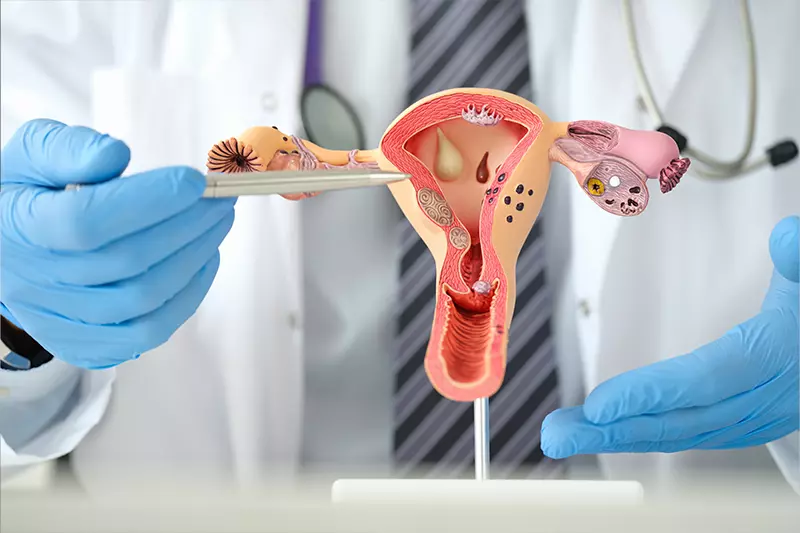
Polycystic Ovary Syndrome (PCOS) affects millions of women worldwide, yet its underlying causes remain widely misunderstood. This hormonal condition doesn’t just influence menstrual cycles—it can impact fertility, weight, skin health, and even long-term risks like diabetes or heart disease. By understanding the root causes of PCOS, you can make informed decisions about lifestyle changes, medical care, and emotional well-being.
What Is PCOS?
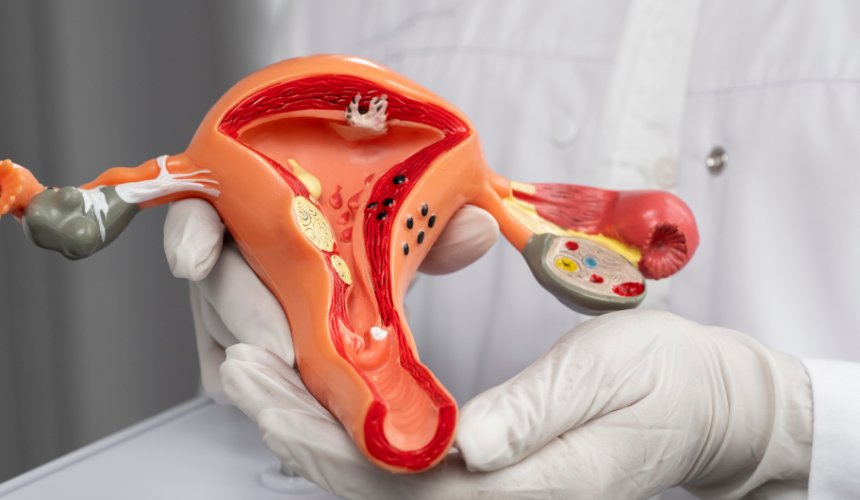
PCOS is a complex endocrine disorder characterized by irregular ovulation, elevated androgen (male hormone) levels, and multiple small cysts on the ovaries. But PCOS is more than a reproductive issue—it’s a whole-body condition. Symptoms can include:
- Irregular or absent periods
- Excess facial or body hair (hirsutism)
- Acne or oily skin
- Weight gain or difficulty losing weight
- Thinning hair on the scalp
- Mood swings or low energy
Not everyone with PCOS experiences all these signs. The syndrome presents differently for each person, which is why understanding its root causes is essential.
1. Insulin Resistance: A Key Trigger PCOS
One of the most common underlying issues in PCOS is insulin resistance—when your body’s cells don’t respond effectively to insulin, the hormone that helps regulate blood sugar. As a result, the pancreas produces more insulin to compensate.
High insulin levels can:
- Stimulate the ovaries to produce excess androgens.
- Disrupt ovulation, leading to irregular cycles.
- Encourage fat storage, making weight loss more challenging.
This chain reaction creates a hormonal imbalance that perpetuates PCOS symptoms. Addressing insulin resistance through dietary choices, regular exercise, and in some cases medication (like metformin) can significantly improve PCOS outcomes.
2. Androgen Excess and Hormonal Disruption
Elevated androgens, sometimes called “male hormones,” play a major role in PCOS. While women naturally produce androgens in small amounts, too much can cause acne, hirsutism, and scalp hair thinning.
Excess androgens can also disrupt the maturation of ovarian follicles, preventing regular ovulation. Without consistent ovulation, periods become irregular or absent, and fertility may be affected.
3. Chronic Inflammation as a Contributing Factor
Low-grade inflammation is another root cause of hormonal disruption in PCOS. Research shows many women with PCOS have higher levels of inflammatory markers in their blood. Chronic inflammation can:
- Increase androgen production.
- Impair insulin sensitivity.
- Contribute to cardiovascular risks.
Adopting an anti-inflammatory lifestyle—rich in whole foods, antioxidants (berries, leafy greens), omega-3 fatty acids (fatty fish, flaxseed), and regular movement—can help calm inflammation and support hormonal harmony.
Kenapa PCOS Ganggu Hormon dan Kitaran Haid Anda?
4. The Role of Genetics
Genetics also influence PCOS risk. If your mother or sister has PCOS, you’re more likely to develop it. While you can’t change your genetic predisposition, knowing your family history allows you to take preventive steps earlier—such as tracking cycles, monitoring blood sugar, and maintaining a healthy weight.
5. Environmental and Lifestyle Factors
Environmental toxins, chronic stress, and poor sleep can exacerbate hormonal imbalances. Stress raises cortisol levels, which can disrupt reproductive hormones and worsen insulin resistance. Similarly, exposure to endocrine-disrupting chemicals (found in plastics, some cosmetics, and household cleaners) may interfere with hormone function.
Simple changes like using glass containers, practicing stress-reduction techniques (yoga, mindfulness, deep breathing), and establishing a consistent sleep schedule can support hormone health.
6. Emotional and Mental Health Impact
PCOS doesn’t just affect the body—it can influence mental health too. The combination of physical symptoms, fertility concerns, and hormonal fluctuations can trigger anxiety or depression. Addressing the emotional side of PCOS through therapy, support groups, or stress management strategies is as vital as treating physical symptoms.
Steps to Manage PCOS Naturally
While there’s no “cure” for PCOS, many women find relief and improved hormone balance with lifestyle changes:
- Balanced Nutrition: Focus on whole, low-glycemic foods like vegetables, lean proteins, whole grains, and healthy fats to stabilize blood sugar.
- Regular Physical Activity: Strength training and aerobic exercise improve insulin sensitivity and support healthy weight management.
- Stress Management: Meditation, journaling, or breathing exercises can reduce cortisol and support hormonal balance.
- Sleep Hygiene: Aim for 7–9 hours of quality sleep each night to regulate hormones and reduce cravings.
- Limit Endocrine Disruptors: Choose natural skincare products and BPA-free containers to reduce chemical exposure.
Medical Interventions for PCOS
In addition to lifestyle changes, healthcare providers may recommend:
- Metformin: To improve insulin sensitivity.
- Hormonal birth control: To regulate periods and reduce androgen levels.
- Fertility treatments: Such as ovulation-inducing medications for women trying to conceive.
- Anti-androgen medications: To reduce excess hair growth or acne.
Discussing your symptoms and goals with a gynecologist or endocrinologist is crucial for tailored treatment.
Why Early Action Matters
Ignoring PCOS can lead to long-term health risks, including:
- Type 2 diabetes
- High blood pressure
- High cholesterol
- Endometrial cancer
Recognizing and addressing root causes early can prevent complications and improve quality of life.
Conclusion
Understanding the root causes of PCOS is the first step toward regaining control over your health. While genetics and certain risk factors are beyond your control, proactive measures—like managing insulin resistance, reducing inflammation, and addressing stress—can make a significant difference. Partner with healthcare professionals, nourish your body, and prioritize your mental health to move toward hormonal balance and a healthier future.
More interesting articles here : Polycystic ovary syndrome (PCOS) (Beyond the Basics)