When most people hear “prolactin,” they think of women and breastfeeding. But prolactin isn’t just a female hormone—it plays important roles in men, too. Produced by the pituitary gland, prolactin influences reproductive health, metabolism, immune response, and even mood. Despite its importance, prolactin’s role in men is often overlooked until imbalances cause problems. Understanding this hormone can help men spot potential issues early and maintain optimal health.
1. What Is Prolactin? Prolactin in Men
Prolactin is a peptide hormone primarily associated with stimulating milk production in women after childbirth. In men, prolactin is present at much lower levels but still essential. It interacts with testosterone, dopamine, and other hormones to regulate several body functions.
2. Prolactin’s Functions in Men Prolactin in Men
a. Reproductive Health
Prolactin affects testosterone production indirectly by influencing the hypothalamus and pituitary glands. Healthy prolactin levels support normal sperm production and libido. Elevated prolactin (hyperprolactinemia) can lower testosterone, leading to sexual dysfunction and reduced fertility.
b. Metabolism and Energy
Emerging research suggests prolactin helps regulate metabolism and body weight. Imbalances may contribute to weight gain or difficulty losing fat, particularly around the abdomen.
c. Immune System Support
Prolactin helps modulate immune responses, aiding the body in fighting infections and maintaining healthy inflammation levels.
d. Mood and Mental Health
Prolactin interacts with dopamine, a neurotransmitter tied to motivation and pleasure. Elevated prolactin can contribute to mood swings, depression, or irritability.
The Hidden Roles of Prolactin, a Vital Hormone
3. Causes of Elevated Prolactin in Men Prolactin in Men
Hyperprolactinemia (high prolactin levels) can result from several factors:
- Pituitary Tumors (Prolactinomas): Benign growths that overproduce prolactin.
- Medications: Certain antidepressants, antipsychotics, and blood pressure drugs can raise prolactin.
- Chronic Stress: Elevated cortisol can indirectly affect prolactin regulation.
- Hypothyroidism: Low thyroid function can trigger increased prolactin.
- Chest Injuries or Irritation: Nerve signals from the chest area can influence prolactin release.
4. Symptoms of High Prolactin Levels in Men
Recognizing the signs early can prevent complications:
- Reduced libido or erectile dysfunction.
- Infertility or low sperm count.
- Gynecomastia (breast tissue growth in men).
- Unexplained weight gain or fatigue.
- Headaches or vision changes (from pituitary tumors).
- Mood disturbances such as irritability or depression.
5. Low Prolactin Levels: Rare but Possible
While high prolactin is more common, abnormally low levels may impact sperm quality or metabolism. However, low prolactin in men is rare and less studied.
6. When to Get Tested
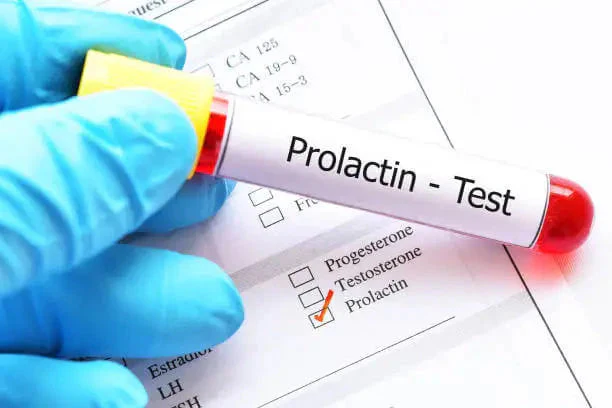
Men experiencing persistent sexual dysfunction, unexplained weight changes, or mood issues should consider a prolactin blood test. Testing is simple and can often be included in a broader hormone panel alongside testosterone, cortisol, and thyroid levels.
7. Treatment Options for Prolactin Imbalances
a. Addressing Underlying Causes
- Pituitary Tumors: Medications like dopamine agonists (e.g., cabergoline or bromocriptine) are often the first line of treatment.
- Medication Adjustments: If a drug is raising prolactin, a doctor may adjust the dosage or switch medications.
- Thyroid Support: Treating hypothyroidism can normalize prolactin levels.
b. Lifestyle Adjustments
- Manage stress through meditation, deep breathing, or moderate exercise.
- Get adequate sleep—poor sleep can disrupt pituitary function.
- Maintain a balanced diet rich in whole foods and low in excessive sugar.
8. Long-Term Health Risks of Untreated Imbalances
If high prolactin levels are left unaddressed, potential risks include:
- Persistent sexual dysfunction or infertility.
- Osteoporosis from prolonged low testosterone levels.
- Cardiovascular issues due to metabolic changes.
- Ongoing mood disorders that affect quality of life.
9. Supporting Healthy Prolactin Naturally
- Balanced Diet: Nutrients like zinc and vitamin B6 support healthy hormone regulation.
- Exercise Moderately: Overtraining can stress the body and impact prolactin.
- Avoid Excess Alcohol: Alcohol can interfere with pituitary hormone release.
- Routine Checkups: Annual physical exams and hormone screenings can catch imbalances early.
10. Key Takeaways for Men Over 40
Hormonal changes become more pronounced with age. Men over 40 should be especially vigilant about symptoms like reduced libido, fatigue, or breast tissue changes. Prolactin testing can be a valuable part of routine health evaluations, particularly if other hormones like testosterone or thyroid are under review.
Conclusion
Prolactin may not get as much attention as testosterone, but it’s a critical piece of men’s hormonal health. From fertility and energy levels to mood and metabolism, prolactin plays multiple roles that deserve recognition. By understanding its functions, recognizing warning signs, and seeking proper evaluation when needed, men can take proactive steps to maintain hormonal balance and overall well-being. Paying attention to prolactin isn’t just about avoiding problems—it’s about optimizing long-term health and vitality.
More interesting articles here : What Happens When Prolactin Is High? Symptoms, Causes, and Treatments