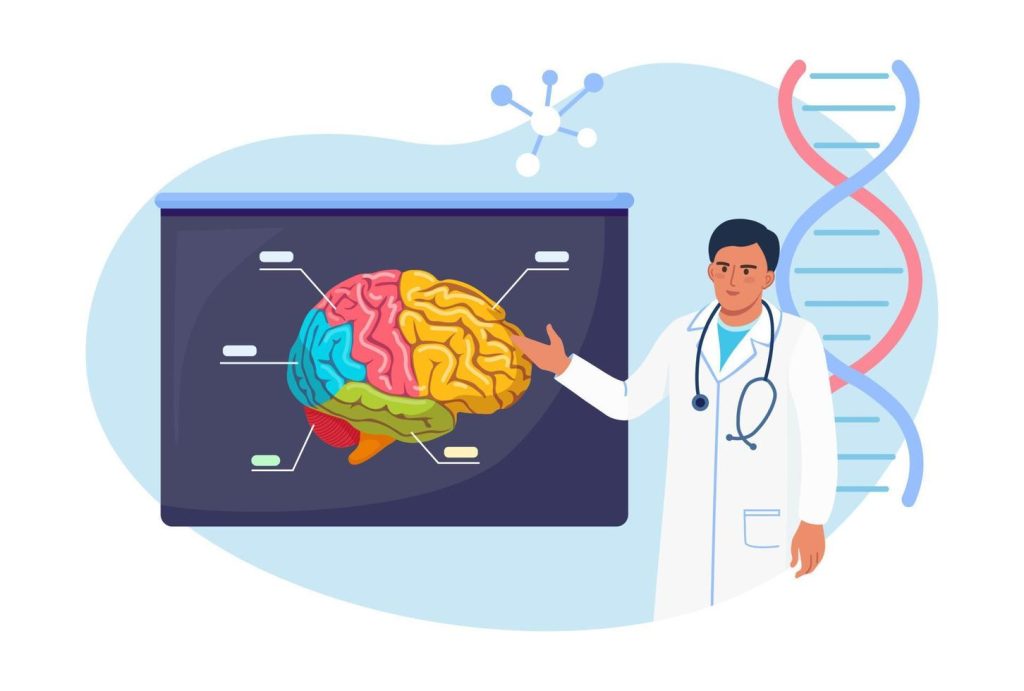
Estrogen is often celebrated for its role in reproductive health, but its influence reaches far beyond the ovaries. In recent years, researchers have uncovered a powerful link between estrogen levels and brain function. This hormone doesn’t just regulate menstrual cycles—it also shapes how you think, feel, and remember. Whether you’re navigating puberty, pregnancy, or menopause, understanding estrogen’s effect on your brain can help you maintain mental clarity, emotional balance, and cognitive health throughout life. Estrogen-Brain Connection
How Estrogen Affects the Brain Estrogen-Brain Connection
Estrogen acts like a chemical messenger, binding to receptors in different parts of the brain, particularly the hippocampus and prefrontal cortex—areas critical for memory and decision-making. When estrogen levels are stable, neurotransmitters such as serotonin and dopamine function optimally, promoting mood regulation and sharper focus.
During times of hormonal fluctuation—like the menstrual cycle, postpartum period, or menopause—these processes can be disrupted. The result may be mood swings, brain fog, or memory lapses. This is why many women report feeling “off” mentally or emotionally when estrogen levels shift dramatically.
1. Estrogen and Memory: Protecting Cognitive Function Estrogen-Brain Connection
One of estrogen’s most vital roles is protecting brain cells from oxidative stress and inflammation. Studies suggest that estrogen helps form new synaptic connections, which are crucial for learning and memory.
- In younger women: Stable estrogen levels often mean faster information processing and improved verbal memory.
- During menopause: Lower estrogen levels can slow cognitive speed, leading to forgetfulness or difficulty focusing.
- Long-term benefits: Estrogen may help reduce the risk of Alzheimer’s disease by supporting neuronal growth and reducing beta-amyloid buildup, a protein associated with cognitive decline.
To support memory health during estrogen shifts, lifestyle habits like regular exercise, mental stimulation (e.g., puzzles or reading), and a diet rich in omega-3 fatty acids can be game changers.
2. Mood and Emotional Balance: Estrogen’s Influence on Serotonin
Mood swings are one of the most noticeable effects of fluctuating estrogen. Estrogen regulates serotonin, a neurotransmitter known as the “feel-good” chemical. When estrogen drops—such as right before menstruation or during perimenopause—serotonin levels can dip, increasing the risk of anxiety, irritability, or even depression.
Key periods where mood shifts are common:
- Premenstrual phase: Estrogen and progesterone fall, triggering PMS symptoms like irritability or sadness.
- Postpartum: After childbirth, estrogen plummets, which may contribute to “baby blues” or postpartum depression.
- Perimenopause and menopause: Long-term estrogen decline can lead to mood instability, insomnia, and heightened stress sensitivity.
Proactive strategies like mindfulness meditation, regular physical activity, and balanced meals high in protein and complex carbs can help stabilize serotonin and reduce mood-related challenges.
3. Mental Clarity and Focus: Fighting Brain Fog
“Brain fog” isn’t just a trendy term—it’s a genuine phenomenon tied to hormonal changes. Estrogen boosts blood flow and glucose metabolism in the brain, fueling neurons for clear thinking and decision-making. When estrogen dips, you might experience slower processing speed, difficulty concentrating, or forgetfulness.
To sharpen mental clarity:
- Stay hydrated: Even mild dehydration can amplify cognitive sluggishness.
- Prioritize sleep: Aim for 7–9 hours per night to allow the brain to repair and consolidate memories.
- Limit multitasking: Focus on one task at a time to improve performance.
- Exercise regularly: Movement increases blood flow to the brain, which can counteract hormonal fog.
4. Estrogen Across Life Stages: What to Expect
- Puberty: Rising estrogen levels enhance mood stability and learning abilities. Teens may notice improved emotional regulation once hormone levels settle.
- Reproductive years: Estrogen supports peak memory and focus, especially during the mid-follicular phase of the menstrual cycle when levels are highest.
- Pregnancy: Estrogen surges protect neurons but may also cause emotional sensitivity.
- Perimenopause and menopause: Gradual estrogen decline can lead to brain fog, sleep disturbances, and mood fluctuations. Some women explore hormone replacement therapy (HRT) under medical supervision to ease these transitions.
Lifestyle Choices That Support Estrogen and Brain Health
A hormone-friendly lifestyle can help you maintain sharpness and emotional balance:
- Eat brain-boosting foods: Include leafy greens, fatty fish, berries, nuts, and whole grains. Phytoestrogens—found in soy, flaxseeds, and legumes—may offer mild estrogen-like effects.
- Exercise consistently: Aerobic activities like walking, cycling, or swimming improve blood flow to the brain and help balance hormones.
- Manage stress: Chronic stress can elevate cortisol, which disrupts estrogen balance. Practices like yoga, deep breathing, or journaling can lower stress levels.
- Sleep well: Poor sleep can worsen hormonal imbalances and cognitive decline. Create a calming bedtime routine and limit screen time before bed.
- Consult healthcare providers: If mood swings or memory issues interfere with daily life, speak with a doctor or endocrinologist. They can check hormone levels and suggest tailored treatments.
Foods That Boost Estrogen Levels: A Natural Guide to Hormonal Balance
When to Seek Professional Help
While occasional forgetfulness or mood dips are normal, persistent symptoms may indicate a hormonal imbalance or another health issue. See a professional if you experience:
- Memory loss that disrupts daily tasks
- Severe mood swings or prolonged depression
- Difficulty concentrating that affects work or relationships
- Sleep disturbances or unexplained fatigue
A doctor can perform hormone testing or recommend cognitive assessments. Treatments may include lifestyle changes, supplements, or HRT for menopausal women.
Protecting Your Brain Through Hormone Awareness
The estrogen-brain connection is a powerful reminder that hormones influence more than reproduction—they shape who you are mentally and emotionally. By understanding estrogen’s role in memory, mood, and mental clarity, you can take proactive steps to support your brain health.
- Prioritize a nutrient-rich diet and consistent exercise.
- Practice stress reduction techniques like yoga or mindfulness.
- Monitor hormonal changes during key life stages and seek professional help when needed.
Conclusion
Estrogen is a silent architect of cognitive and emotional well-being. From preserving memory to stabilizing mood and sharpening mental clarity, its effects are profound and far-reaching. By nurturing your body and brain through lifestyle choices and awareness, you can navigate hormonal shifts with confidence and maintain your mental edge at every stage of life.
More interesting articles here : Estrogen effects on the brain: actions beyond the hypothalamus via novel mechanisms