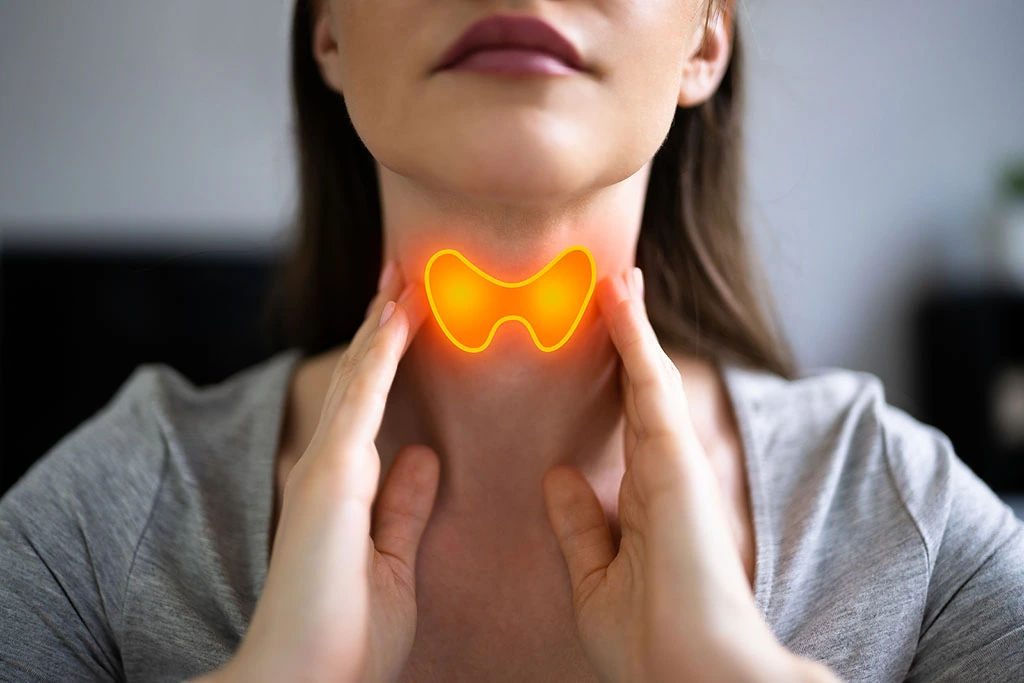
Your thyroid—a small, butterfly-shaped gland in your neck—has a big job. It produces hormones (T3 and T4) that control metabolism, energy, temperature regulation, and even heart rate. When thyroid function falters, the symptoms can be subtle at first. But ignoring early hormonal clues to thyroid trouble can lead to bigger health challenges. Understanding these signs empowers you to take action before minor imbalances snowball into chronic problems.
Why Thyroid Hormones Matter Thyroid Trouble
Thyroid hormones regulate nearly every cell in your body. When they’re balanced, you feel energized, focused, and stable. But when levels shift—either too high (hyperthyroidism) or too low (hypothyroidism)—your body starts sending warning signals. These hormonal clues often appear in how you feel, think, and even look.
1. Fatigue That Won’t Go Away Thyroid Trouble
One of the earliest signs of thyroid dysfunction is unexplained fatigue.
- Hypothyroidism: Low hormone levels slow metabolism, making you feel sluggish even after plenty of sleep.
- Hyperthyroidism: Excess hormone can lead to sleep disturbances, leaving you drained despite being “wired.”
If you find yourself relying heavily on caffeine just to function or you wake up tired, it might not just be stress or poor sleep—it could be your thyroid.
How Thyroid Hormones Control Your Metabolism and Energy Levels
2. Unexplained Weight Changes Thyroid Trouble
Your metabolism depends on thyroid hormones.
- Sudden weight gain: Could signal low thyroid activity. Even healthy eating and exercise may not prevent extra pounds.
- Unexpected weight loss: Rapid weight loss, especially without changing your diet, may suggest overactive thyroid function.
Tracking your weight over time can provide early clues.
3. Mood Shifts and Mental Health Changes Thyroid Trouble
Hormonal imbalances affect brain chemistry:
- Low thyroid hormones: Often linked to depression, brain fog, and difficulty concentrating.
- High thyroid hormones: Can trigger anxiety, restlessness, or irritability.
Because these symptoms overlap with mental health conditions, thyroid checks are sometimes overlooked. If mood changes persist, ask your doctor about a thyroid panel.
4. Sensitivity to Temperature
Feeling unusually cold or hot can also indicate thyroid issues.
- Hypothyroidism: You may feel cold even when others are comfortable.
- Hyperthyroidism: You might overheat easily or sweat excessively.
This is your body’s way of signaling that its internal thermostat—regulated by thyroid hormones—is off balance.
5. Skin, Hair, and Nail Changes
Your skin, hair, and nails respond quickly to hormonal changes.
- Dry, flaky skin or brittle nails: Often linked to low thyroid levels.
- Thinning hair or hair loss at the outer edges of eyebrows: Another hypothyroid clue.
- Soft, thin hair or unusually fast nail growth: Can point to an overactive thyroid.
These signs are easy to dismiss as cosmetic issues, but they can be early warnings of thyroid trouble.
6. Changes in Heart Rate
Thyroid hormones influence your heart.
- Hypothyroidism: Slower heart rate (bradycardia), sometimes causing dizziness or fatigue.
- Hyperthyroidism: Rapid heartbeat (tachycardia) or palpitations, even at rest.
Monitoring your pulse or using a smartwatch can help catch these subtle shifts.
7. Digestive Upsets
Your gut health is linked to thyroid function.
- Low thyroid: May slow digestion, causing constipation and bloating.
- Overactive thyroid: Can speed up digestion, leading to diarrhea or frequent bowel movements.
8. Menstrual and Fertility Irregularities
Thyroid imbalances often disrupt reproductive hormones.
- Hypothyroidism: May cause heavier, prolonged periods or difficulty conceiving.
- Hyperthyroidism: Can lead to lighter, irregular cycles or missed periods.
Women planning pregnancy should ensure their thyroid is functioning properly, as untreated thyroid disorders can affect fertility and pregnancy outcomes.
9. Swelling in the Neck
A visible or palpable lump in the front of your neck, called a goiter, can indicate thyroid enlargement. It’s not always painful but shouldn’t be ignored. Swelling can result from iodine deficiency, autoimmune conditions like Hashimoto’s thyroiditis, or Graves’ disease.
What to Do if You Notice These Clues
Early detection is key. If you recognize several of these signs, consult a healthcare provider. They can perform:
- Blood tests: To measure TSH, T3, and T4 levels.
- Ultrasound: To check for nodules or enlargement.
- Physical exams: To assess neck swelling or irregularities.
Lifestyle Tips to Support Thyroid Health
While medical care is essential for diagnosed thyroid disorders, lifestyle habits can support overall hormone balance:
- Eat iodine-rich foods: Like seaweed, fish, and dairy, but avoid excessive intake.
- Include selenium and zinc: Found in Brazil nuts, shellfish, and legumes—these minerals aid thyroid function.
- Manage stress: Chronic stress elevates cortisol, which can interfere with thyroid hormones. Try yoga, meditation, or deep breathing.
- Get regular exercise: Moderate activity supports metabolism and energy.
- Prioritize sleep: Hormone regulation depends on quality rest.
Conclusion
Your thyroid is a small gland with a powerful impact on your entire body. By tuning in to the hormonal clues it sends—whether through changes in mood, energy, digestion, or physical appearance—you can catch thyroid trouble early. Don’t dismiss persistent symptoms as “just stress” or “getting older.” With timely testing, lifestyle support, and, if needed, medical treatment, you can protect your thyroid health and maintain a vibrant, balanced life.
More interesting articles here : Signs of thyroid issues: How do you know if you have them?