When we think of strong bones, we often picture calcium supplements or weight-bearing exercises. But behind the scenes, hormones quietly orchestrate bone strength—directing calcium absorption, stimulating bone-building cells, and maintaining the balance between bone creation and breakdown. If your hormones are out of sync, your bones can weaken even with good nutrition. The good news? By naturally balancing your hormones, you can protect and strengthen your bones—without relying solely on medication.Build Resilient Bones
1. The Hormone-Bone Connection Build Resilient Bones
Several hormones directly influence bone health:
- Estrogen: Prevents excessive bone breakdown. Declining estrogen in menopause is a leading cause of osteoporosis.
- Progesterone: Stimulates bone-building cells (osteoblasts).
- Testosterone: Supports bone density in both men and women.
- Parathyroid hormone (PTH): Regulates calcium levels.
- Calcitonin and Vitamin D: Help deposit calcium into bones.
- Cortisol: Chronic stress and elevated cortisol can accelerate bone loss.
Understanding these relationships is key to safeguarding your skeleton naturally.
2. Signs Your Hormones May Be Impacting Bone Health Build Resilient Bones
- Frequent fractures or slow-healing injuries.
- Loss of height or stooped posture.
- Irregular menstrual cycles or menopause symptoms.
- Chronic stress, fatigue, or mood swings.
- Reduced muscle mass or unexplained weight changes.
These warning signs suggest it’s time to evaluate your hormone health and bone density.
3. Nutrition for Hormonal Balance and Strong Bones Build Resilient Bones
a. Prioritize Calcium and Vitamin D
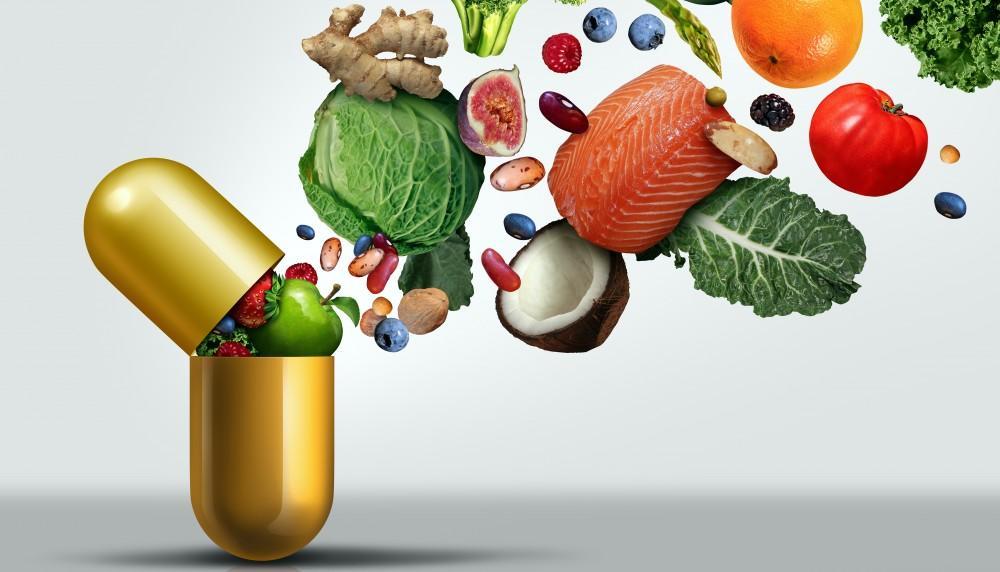
- Calcium-rich foods: Leafy greens, almonds, sardines, and fortified plant-based milks.
- Vitamin D: Sunlight exposure or foods like salmon and egg yolks support calcium absorption.
b. Add Magnesium and Vitamin K2
- Magnesium (found in nuts, seeds, and legumes) helps convert vitamin D into its active form.
- Vitamin K2 (found in fermented foods like natto and some cheeses) directs calcium into bones instead of soft tissues.
c. Choose Phytoestrogen-Rich Foods
Soy, flaxseeds, and chickpeas contain plant-based estrogens that may gently support estrogen balance, especially in postmenopausal women.
d. Limit Bone-Depleting Foods
Reduce excessive caffeine, alcohol, and processed sugars, which can leach minerals from bones or elevate cortisol.
4. Lifestyle Strategies to Balance Hormones and Protect Bones
a. Strength and Weight-Bearing Exercise
- Activities like walking, stair climbing, resistance training, and yoga stimulate bone growth and improve hormonal regulation.
- Consistency matters—just 30 minutes, 3–5 times a week, can make a difference.
b. Manage Stress and Cortisol
- Chronic stress elevates cortisol, accelerating bone breakdown.
- Practice stress-relieving habits like meditation, deep breathing, or journaling.
c. Get Quality Sleep
Growth hormone—released during deep sleep—supports bone repair and renewal. Aim for 7–9 hours per night and establish a calming bedtime routine.
d. Maintain a Healthy Weight
Extreme underweight or rapid weight loss can disrupt estrogen and testosterone levels, weakening bones. Conversely, excessive abdominal fat may raise inflammation and cortisol.
5. Hormonal Phases and Bone Care Tips Build Resilient Bones
a. Premenopausal Women
- Support progesterone and estrogen with balanced nutrition and stress management.
- Consider regular strength training to build peak bone mass early.
b. Perimenopausal and Menopausal Women
- Focus on phytoestrogens, calcium, and weight-bearing exercise to counter estrogen loss.
- Discuss testing for vitamin D and hormone levels with your healthcare provider.
c. Men Over 50
- Monitor testosterone and vitamin D, as declines can increase fracture risk.
- Resistance training and adequate protein help maintain both muscle and bone.
Sakit Otot dan Sendi: Bolehkah Hormon Menjadi Penyebab Tersembunyi?
6. Natural Support Through Supplementation (If Needed) Build Resilient Bones
While food should be your first source, supplements can help if diet or lifestyle alone isn’t enough:
- Vitamin D3: Especially if you live in low-sunlight areas.
- Magnesium glycinate or citrate: Supports both bone and hormone function.
- Omega-3 fatty acids: Reduce inflammation that can harm bone density.
- Collagen peptides: May improve bone strength and joint health.
Always consult a healthcare professional before starting new supplements to avoid overuse or interactions.
7. The Role of Gut Health in Hormonal and Bone Balance
A healthy gut aids nutrient absorption and estrogen metabolism. Support your gut microbiome with:
- Fiber-rich foods like vegetables, fruits, and legumes.
- Fermented foods such as yogurt, kefir, or kimchi.
- Adequate hydration to keep digestion smooth.
8. Monitoring Progress and When to Test
- Bone density scans (DEXA): Recommended for women over 50 or anyone at high risk.
- Hormone panels: Blood or saliva tests can check estrogen, progesterone, testosterone, thyroid hormones, and cortisol.
- Lifestyle tracking: Monitor your energy, sleep, and menstrual or testosterone patterns for signs of hormonal imbalance.
9. Myths About Bone and Hormonal Health
- Myth: Only calcium matters for bone health.
- Fact: Hormones, vitamin D, magnesium, and lifestyle are equally important.
- Myth: Bone loss is inevitable with age.
- Fact: With balanced hormones and lifestyle, you can maintain strong bones well into later life.
- Myth: Men don’t need to worry about osteoporosis.
- Fact: One in four men over 50 will experience a fracture due to osteoporosis.
10. Putting It All Together: A Day for Bone and Hormonal Health
- Morning: Get 15–20 minutes of sunlight, and enjoy a calcium-rich breakfast like oatmeal with chia seeds and fortified milk.
- Midday: Brisk 30-minute walk or resistance session to stimulate bone growth.
- Afternoon: Snack on almonds and green tea—rich in magnesium and antioxidants.
- Evening: Stress-relieving yoga or stretching followed by a balanced dinner with salmon, leafy greens, and quinoa.
- Night: Power down electronics early and aim for 8 hours of sleep to boost growth hormone release.
Conclusion
Your bones aren’t just static structures—they’re living tissues shaped by your hormones. By prioritizing nutrition, exercise, stress management, and quality sleep, you can build resilient bones naturally and reduce your risk of osteoporosis. Small, consistent steps—like lifting weights, eating a diverse diet, and managing stress—can make a profound difference over time. Balancing your hormones is one of the most powerful, drug-free strategies for maintaining bone strength and overall vitality.
More interesting articles here : The Impact of Hormones on Bone Health